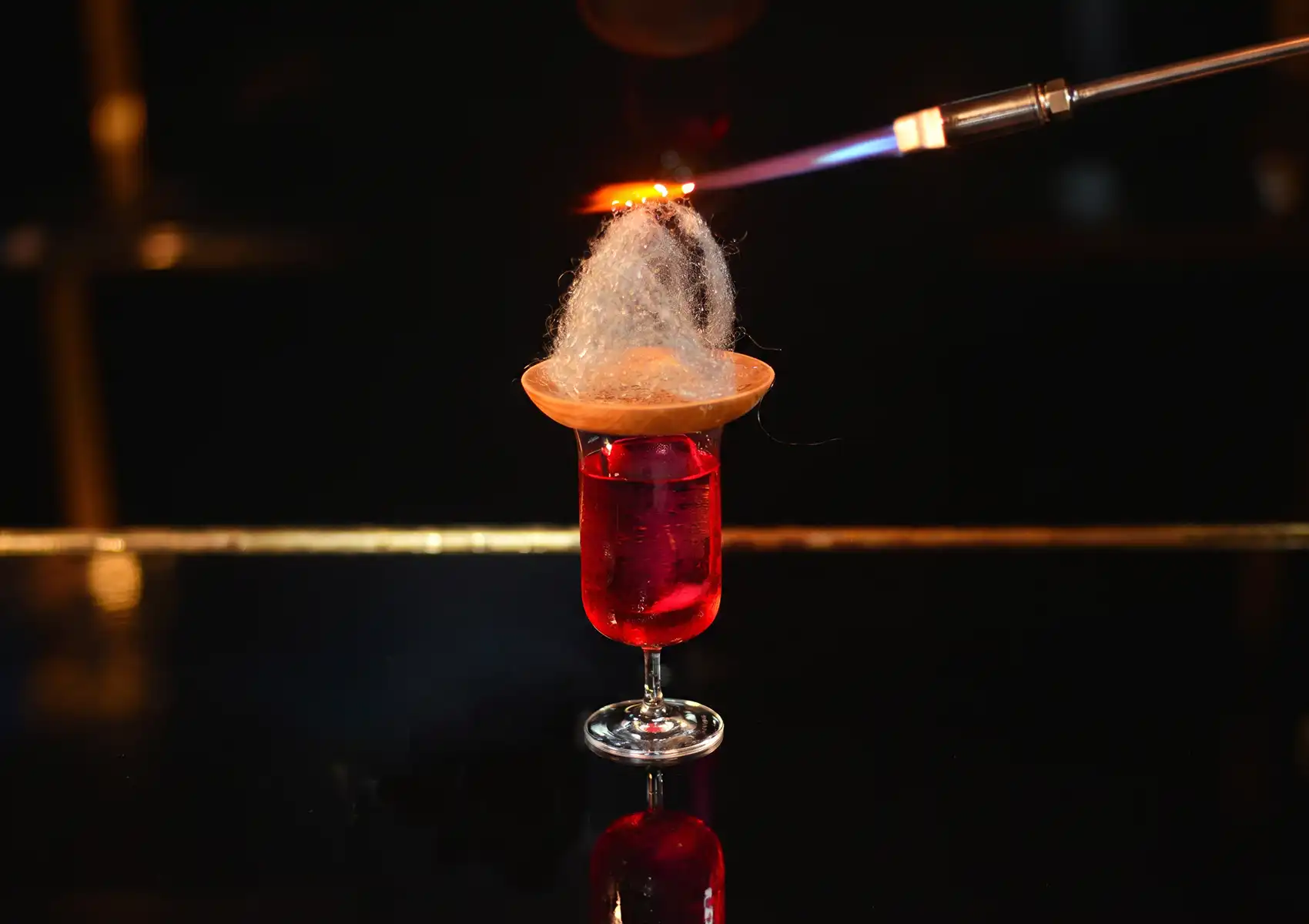
Sherry is one of the most misunderstood bottles on a drinks list, and at a cocktail bar in Ubud it is often the one doing the most work for the least credit. Two assumptions cause most of the confusion: that sherry is sweet and that it is a spirit. In fact, sherry is a fortified wine, and most styles are dry.
What Is Sherry
Sherry is a fortified wine from the Jerez region of Andalusia in southern Spain. The traditional production area includes Jerez de la Frontera, El Puerto de Santa María and Sanlúcar de Barrameda. The base wine is most commonly made from Palomino, a relatively neutral white grape, then fortified with grape spirit and aged.
The fortification is where the first major fork appears. When the wine is fortified to a lower strength, a layer of yeast known as flor can grow on its surface, protecting the wine from oxygen and giving it a saline, bready character. When the wine is fortified to a higher strength, the flor cannot survive, so the wine ages with greater exposure to oxygen instead, developing nutty, dried-fruit and savoury notes.
Biological ageing under flor and oxidative ageing without it create two very different personalities. Much of the sherry category follows from that distinction.
The other important concept is the solera system. Rather than keeping each barrel isolated as a single vintage, producers traditionally blend wines of different ages over time. Wine is drawn from the older casks and replenished with wine from younger ones, creating continuity and complexity across batches.
That principle also appears in cocktails and spirits, which is why the word solera sometimes turns up on drinks lists.
The Styles of Sherry
With that distinction in mind, the main styles become much easier to understand.
Fino is one of the lightest styles, aged under flor. It is bone dry, delicate and saline, with notes that can recall green almond, fresh dough and herbs. It is closer to a very dry white wine than to the sweet drink many people imagine when they hear the word sherry.
Manzanilla is a style of sherry produced in Sanlúcar de Barrameda, where its coastal environment contributes to its distinctive character. It is similarly dry and delicate, often with a particularly pronounced saline quality.
Amontillado begins its life under flor before continuing to age oxidatively. It combines the freshness and salinity of biological ageing with the nuttier, deeper character that comes from oxygen exposure. Dry and complex, it can show hazelnut, dried fruit and spice.
Oloroso ages without flor, allowing oxygen to shape the wine from the beginning. It is dry but rich, with walnut, leather, spice and dried-fruit notes. Its weight and depth are often mistaken for sweetness.
Pedro Ximénez, usually abbreviated to PX, is the outlier. It is made primarily from sun-dried Pedro Ximénez grapes, concentrating their sugars before fermentation and fortification. The result is thick, dark and intensely sweet, with flavours of raisin, fig, caramel and molasses.
How to Drink Sherry
Because the styles differ so widely, serving every sherry the same way does little to show what makes the category interesting.
Fino and manzanilla are best served properly chilled, preferably in a white wine glass rather than a tiny fortified-wine glass. Once opened, they are best enjoyed relatively quickly because their freshness can fade with exposure to oxygen. Treat them more like delicate white wine than like a spirit.
Amontillado benefits from a light chill, which keeps its acidity and nuttiness in balance without muting its character.
Oloroso can be served slightly cool or close to room temperature in a wine glass, allowing its fuller texture and aromatic depth to come forward.
Pedro Ximénez works well chilled and in a smaller serving, particularly at the end of a meal. Pour it alongside dessert or over ice cream if you want to understand why this style has such a strong association with sweet finishes.
At the table, dry sherry is one of the great food wines. Fino works naturally with olives, almonds, seafood and fried dishes. Amontillado suits mushrooms, soups and mature cheeses. Oloroso has the weight to stand alongside richer meats and slow-cooked dishes.
Its savoury, saline character can play a role similar to a squeeze of lemon or a pinch of salt, bringing balance rather than simply adding flavour
Sherry in Cocktails
That saline quality is one reason bartenders value sherry. It can bring savoury depth, acidity, nuttiness and length to a cocktail without adding the alcohol level of a full measure of spirit.
A dry sherry can be paired with gin to create a lighter, more wine-driven drink, while still retaining enough structure for the gin’s botanicals to show through. Fino can add freshness and salinity, while an oxidative style such as amontillado or oloroso brings nuttier, deeper notes.
At the sweeter end, Pedro Ximénez can function as a sweetening ingredient with a flavour of its own. A small amount can replace some of the sugar in a cocktail while contributing raisin, fig and caramelised-fruit notes.
That makes sherry unusually useful behind a bar. It is not simply another fortified wine on the shelf. Depending on the style, it can add dryness, texture, salinity, sweetness or depth.
Sherry at Pinstripe Bar
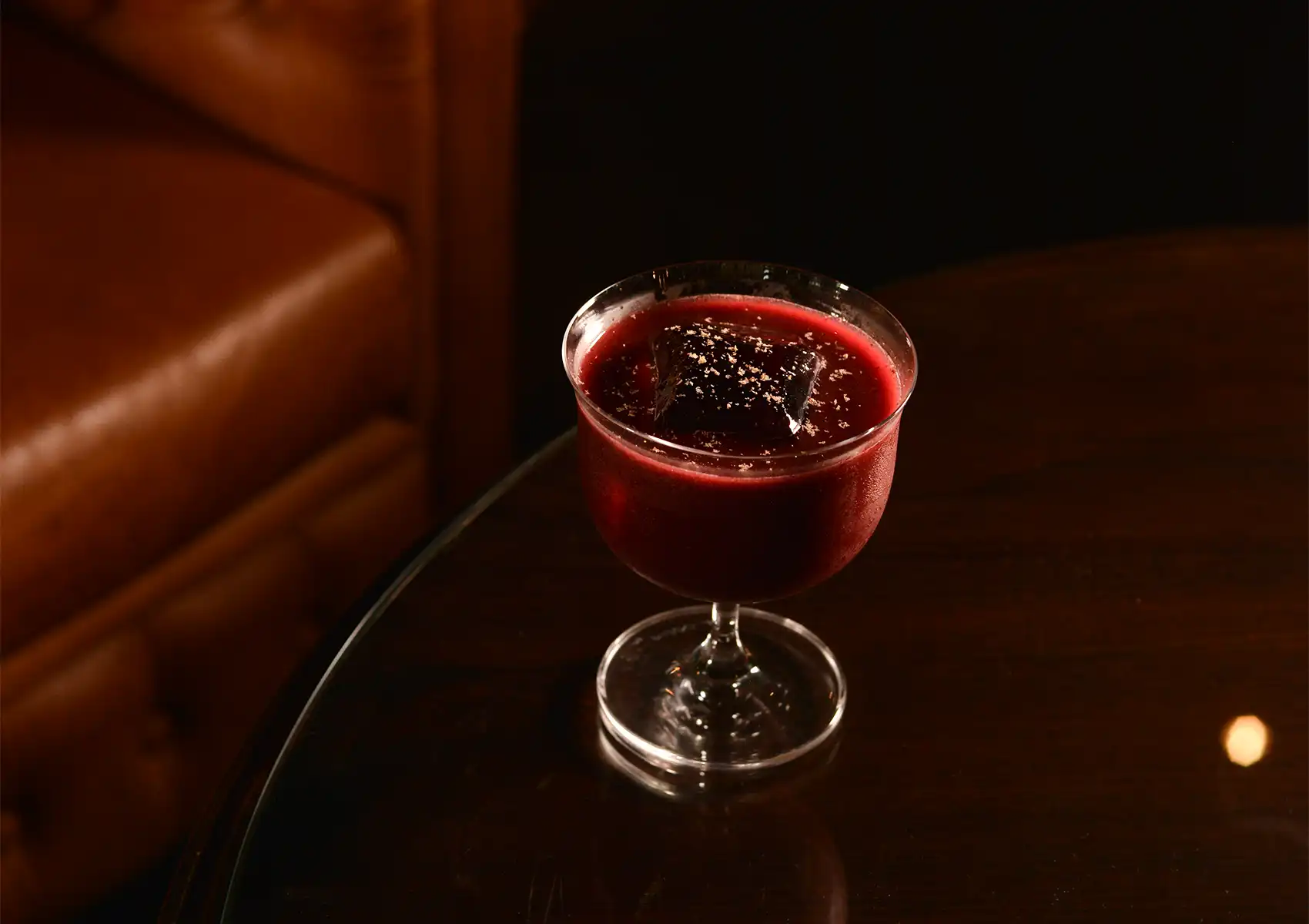
The sherry selection at Pinstripe Bar covers more than one corner of the category, with Tio Pepe Fino at the dry, saline end, Oloroso Alfonso bringing deeper, oxidative character, and Pedro Ximénez providing the dessert-like option.
In the cocktails, fino sherry appears in The Clairvoyant, where its salinity gives the drink a dry backbone and helps keep the overall profile from becoming too rich.
There is a distinction worth getting right here: The Clairvoyant is the name of the signature cocktail menu, while a Clairvoyant cocktail refers to an individual drink within that menu. Both take their name from Miguel Covarrubias, who was nicknamed the Clairvoyant, rather than one being named after the other.
Pedro Ximénez appears elsewhere in The Bumblebee, alongside Singleton 12, blueberry and kalamansi. Here the sherry is the sweetener, bringing dried-fruit depth that works naturally with the Speyside whisky, while kalamansi provides the acidity needed to keep the drink lifted.
For the clearest introduction to the category, order Tio Pepe and Oloroso Alfonso side by side. The contrast between biological and oxidative ageing makes it much easier to understand what flor does than any description can.
Reserve Your Table at Pinstripe Bar
Sherry is best explored somewhere it is treated as more than an afterthought, which is a good reason to choose a cocktail bar in Ubud with a considered wine and fortified-wine selection.
Pinstripe Bar sits above the Valley of the Kings and opens daily from 4 PM to 11:30 PM, with the food menu running from 5 PM to 9 PM and live music on Friday and Saturday evenings.
Ask the bar team for a fino and an oloroso side by side, and order something salty alongside. It is one of the simplest ways to understand why sherry belongs at the table as much as behind the bar.
Frequently Asked Questions
What is the difference between fino and oloroso sherry?
Fino ages under a protective layer of yeast called flor, keeping it pale, light and saline. Oloroso ages without flor and develops through greater exposure to oxygen, giving it a darker colour, fuller body and nuttier character. Both styles are dry.
Is sherry sweet or dry?
Most sherry styles are dry. Fino, manzanilla, amontillado and oloroso are dry, while Pedro Ximénez is intensely sweet. PX is largely responsible for the widespread assumption that all sherry is sweet.
How should you serve sherry?
Serve fino and manzanilla well chilled in a white wine glass and enjoy them relatively soon after opening. Amontillado benefits from a light chill, while oloroso can be served slightly cool or close to room temperature. Pedro Ximénez is best served chilled in a small glass, particularly alongside dessert.