
The sweet drinks to order at a bar are often the ones people save for last, and at a cocktail bar in Ubud, the after-dinner slot is where a sweeter drink can come into its own. A sweet cocktail can complement the end of a meal, especially when its sweetness is balanced by bitterness, acidity, roast or savoury flavours.
What Makes a Drink Sweet
Sweetness in a cocktail can come from several places, and each contributes something different. Sugar syrup adds sweetness without much additional flavour. Liqueurs add sugar alongside their own character, which is why amaretto brings almond notes rather than simply tasting sweet. Cream and milk contribute richness and texture, while ingredients such as chocolate and coffee can introduce both bitterness and roasted flavours that make a drink feel richer and more dessert-like.
That last point is useful to understand. Drinks described as sweet are not necessarily built around sugar alone. Bitterness, roast and savoury flavours can provide contrast, making the sweetness feel more balanced and giving the drink a longer, more interesting finish.
Sweet drinks also tend to feel rounder and richer than sharp, citrus-led cocktails. Where a fruity cocktail might rely on acidity for lift, a dessert-leaning drink can use texture, temperature and aroma to create its character. It is a different kind of construction, not simply a sweeter one.
Sweet Is Not the Same as Cloying
The difference between a well-balanced sweet drink and a cloying one comes down to what balances the sweetness. When there is nothing to push back against it, a sugary drink can quickly become tiring.
Bartenders can use bitterness, salt, acidity and roasted flavours to create contrast. Cacao bitters can add depth to a chocolate-led drink. Sesame or miso can introduce savoury complexity. Espresso contributes roast and bitterness, while a small amount of citrus can brighten the finish.
This is useful when ordering because it gives you something specific to ask for. Instead of simply saying you want a sweet drink that is “not too sweet”, ask for something rich with a bitter or savoury edge. That gives the bar team a clearer idea of the balance you are looking for.
The Styles of Sweet Drinks
Once you understand the role of balance, the main styles of sweet and dessert-leaning drinks become easier to distinguish. Three are particularly useful to know when ordering after dinner.
Dessert cocktails are designed to offer a richer, more indulgent finish to a meal. Chocolate, nut liqueurs, vanilla and caramel are common flavours, sometimes paired with cream or milk. They tend to be smaller and richer than refreshing cocktails and are often served as a final drink.
Coffee cocktails are particularly useful after a meal because coffee brings bitterness and roasted depth alongside sweetness. Espresso-based cocktails can feel indulgent while retaining enough bitterness to keep the finish relatively clean. This is the style to consider when you want something sweet but do not want a drink that feels overly heavy.
Liqueur-led drinks rely on the character and sweetness already present in ingredients such as amaretto, nut liqueurs and herbal liqueurs. Served over ice or used as part of a simple cocktail, they can sit somewhere between a mixed drink and a spirit-forward after-dinner serve.
Sweet Drinks to Order at Pinstripe Bar
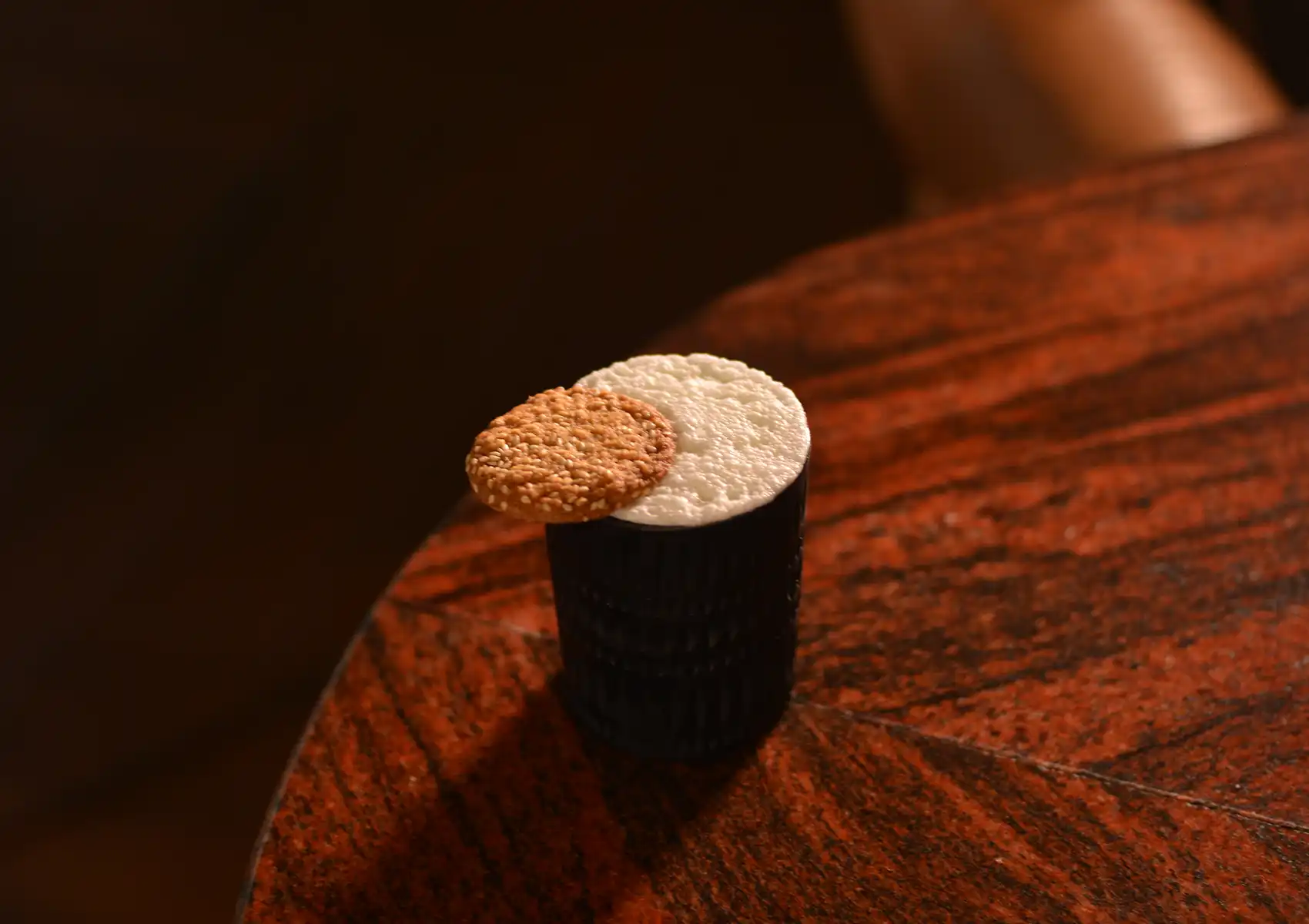
Pinstripe Bar offers several ways to explore sweeter drinks after dinner, from coffee-led cocktails to richer combinations of liqueur, cream and savoury ingredients.
Harlem is the nut-led choice, combining Amaretto Disaronno and sesame cream with pandan and Tanqueray No. TEN. The sesame adds a savoury, toasted quality that gives the almond sweetness more depth, keeping the drink from feeling like a liquid dessert.
The 24K Carajillo takes the coffee route, combining Ciroc, Nusantara cold brew, Thai tea, espresso and cacao bitters. Coffee and cacao bring roast and bitterness alongside the drink’s sweeter elements, creating a layered after-dinner cocktail rather than one dominated by sugar.
Mancho offers a non-alcoholic interpretation from The Sober Guide. Made with soy and sesame milk, miso and chocolate and served hot, it uses savoury miso to balance the chocolate and create a richer, more complex finish. It is a thoughtful option for those who want an after-dinner drink without alcohol.
If you would rather sip than order a cocktail, the bar team can also guide you towards the amari, sherry, grappa and other digestif-style serves. A Pedro Ximénez sherry, for example, can offer rich dried-fruit sweetness in a smaller pour, while an amaro over one large ice cube provides a more bitter alternative for those who want to finish the meal on a drier note.
Reserve Your Table at Pinstripe Bar
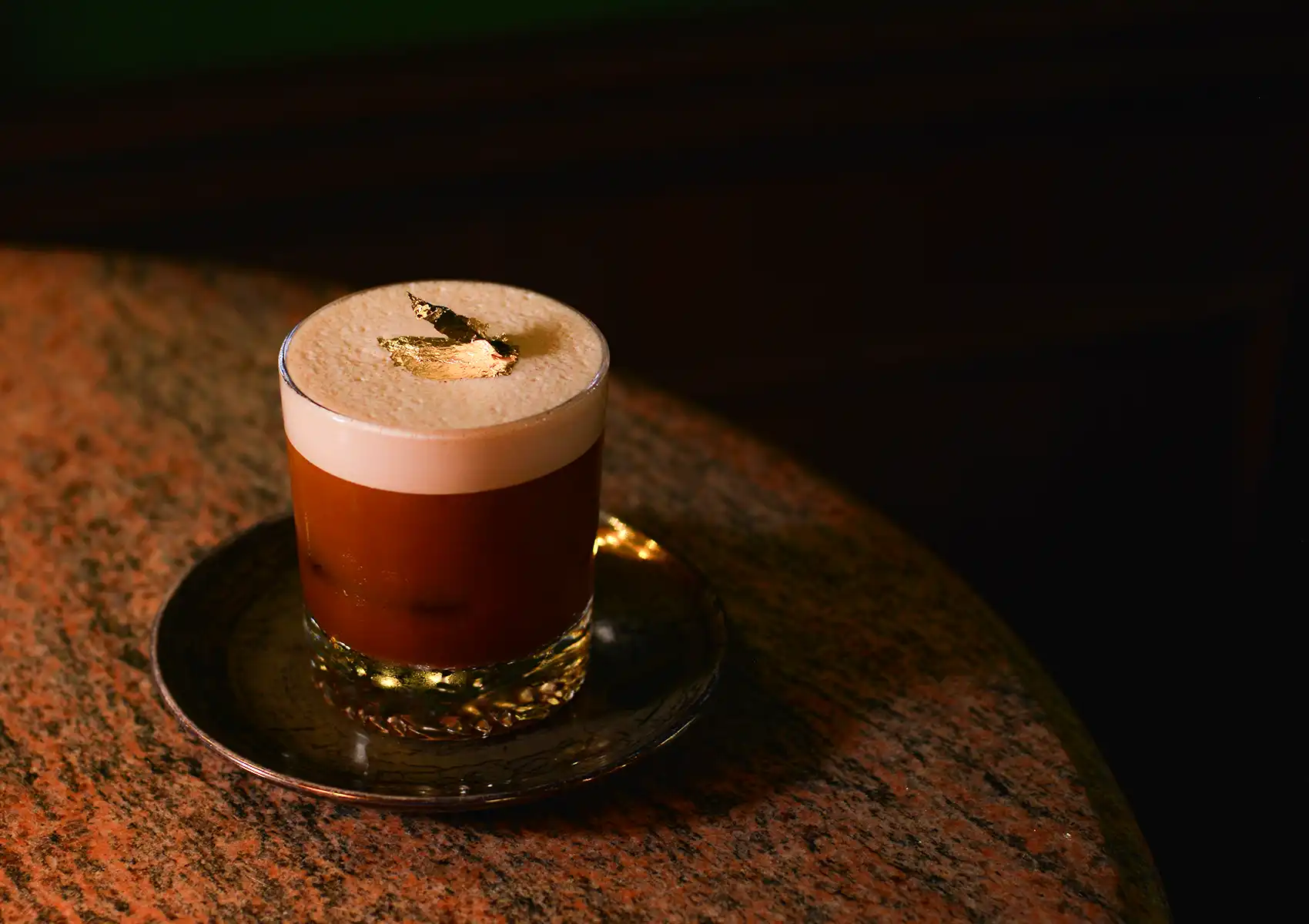
After-dinner drinks are best enjoyed without rushing, particularly when the cocktail itself is designed to be savoured. At Pinstripe Bar, the menu includes richer cocktails, coffee-led drinks and spirit-forward pours for the final part of the evening.
Tell the bar team what you are looking for, whether that means something rich and chocolate-led, coffee-forward and bitter, or sweet with a savoury edge. They can help you find a drink that suits the way you want to end the meal.
Reserve your table and explore the after-dinner menu at Pinstripe Bar.
Frequently Asked Questions
What is the sweetest cocktail to order?
A dessert-style cocktail built around chocolate, nut liqueur or cream is likely to be among the sweeter options on a cocktail menu. If you want sweetness with more bitterness and less richness, a coffee cocktail can offer a more balanced alternative.
What is a good dessert cocktail?
Look for a drink that combines sweetness with a contrasting element such as cacao bitters, espresso, sesame, miso or another bitter or savoury ingredient. These contrasts can make a sweet cocktail feel more balanced and easier to enjoy from the first sip to the last.
Are sweet cocktails only for beginners?
No. Sweet cocktails can be challenging to balance because sweetness needs enough contrast to remain interesting. A well-made dessert cocktail is not simply a sugary drink; it can involve bitterness, acidity, texture, aroma and savoury flavours working together.