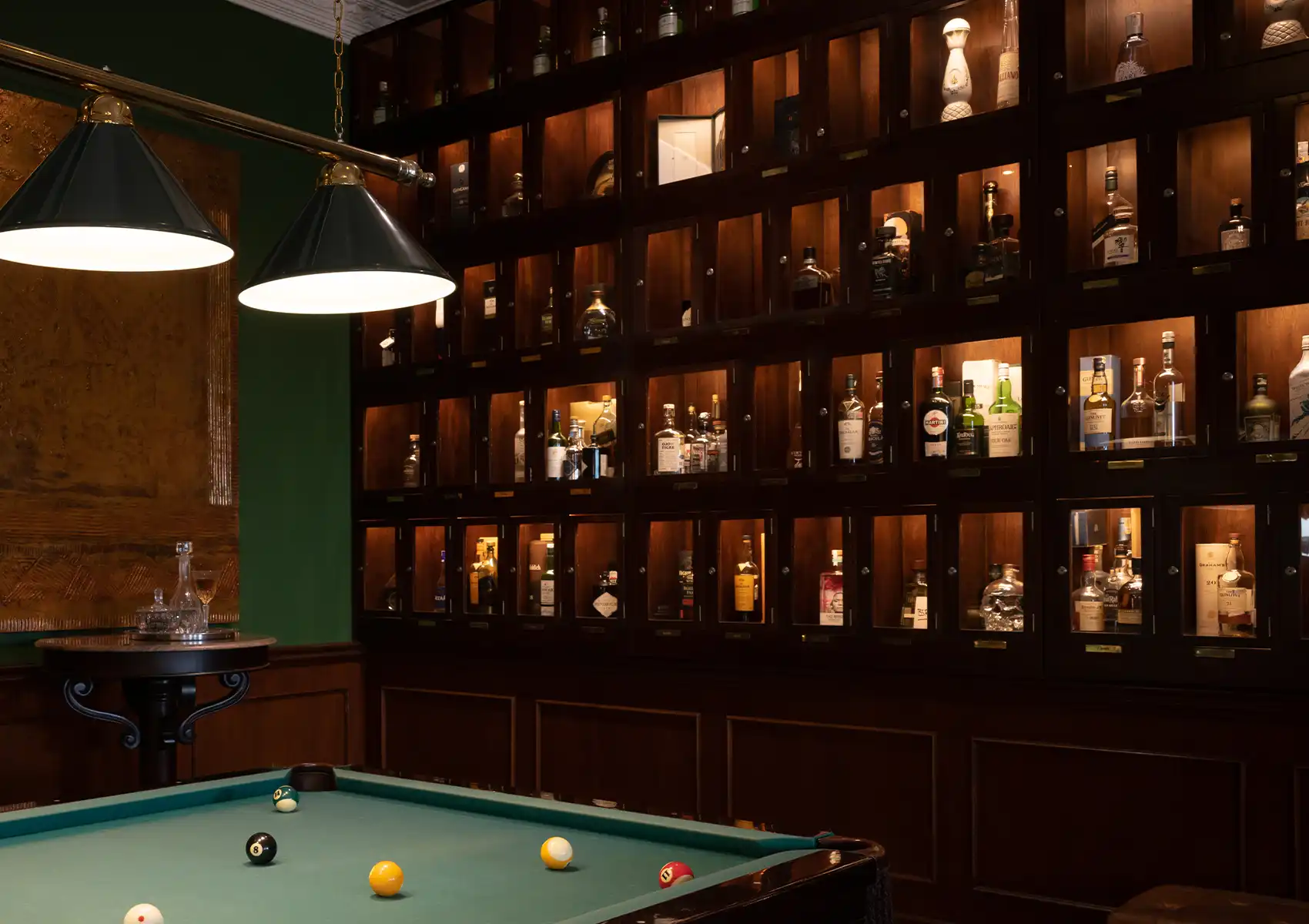
Barrel ageing in cocktails takes an idea borrowed from whisky and applies it to a finished drink. At a cocktail bar in Ubud, it is a technique that rewards patience, because time in wood can change not just the spirit but the relationship between every ingredient in the glass. The premise is simple: build the cocktail, put it in wood and leave it long enough for the barrel to change it.
What Barrel-Ageing Means
Barrel ageing a cocktail means resting a mixed drink, or occasionally a partially mixed one, in a wooden vessel for weeks, months or even years before serving. A bar typically makes a batch, fills the barrel and draws from it as needed.
This is different from using an aged spirit. An aged whisky brings wood character into a drink that is then made fresh. A barrel-aged cocktail has the whole mixture, including ingredients such as vermouth or an aperitivo, resting in contact with oak and limited oxygen.
The scale matters as much as the calendar. A small barrel has a high ratio of wood surface to liquid, so it can work quickly and may overshoot within weeks. A larger barrel works more slowly and gives the bar more room to adjust. This is one of the most useful things to understand before trying barrel ageing at home, because a fixed ageing time means little without knowing the size, type and previous use of the barrel.
What the Barrel Adds
Since both wood and air are involved, two separate processes run at once, and they pull in different directions.
The wood contributes. Oak gives vanilla, coconut, baking spice and a soft tannin grip. Charred or toasted staves add caramel and smoke. Some of the barrel’s previous contents come along too, which is why an ex-sherry or ex-bourbon cask leaves a signature.
Oxygen rounds. Slow, limited air contact softens sharp edges, integrates the separate ingredients and drops a little of the aggressive alcohol note. This is the change people describe as the drink tasting older.
Colour and texture shift too. An aged cocktail is darker and more viscous, and it coats the glass in a way its fresh version does not.
There is a cost. Some volume evaporates, some aromatics are lost, and the brightest top notes go first. A barrel takes away as well as adding, so the trade only suits a drink that does not depend on brightness.
Which Drinks Suit Ageing
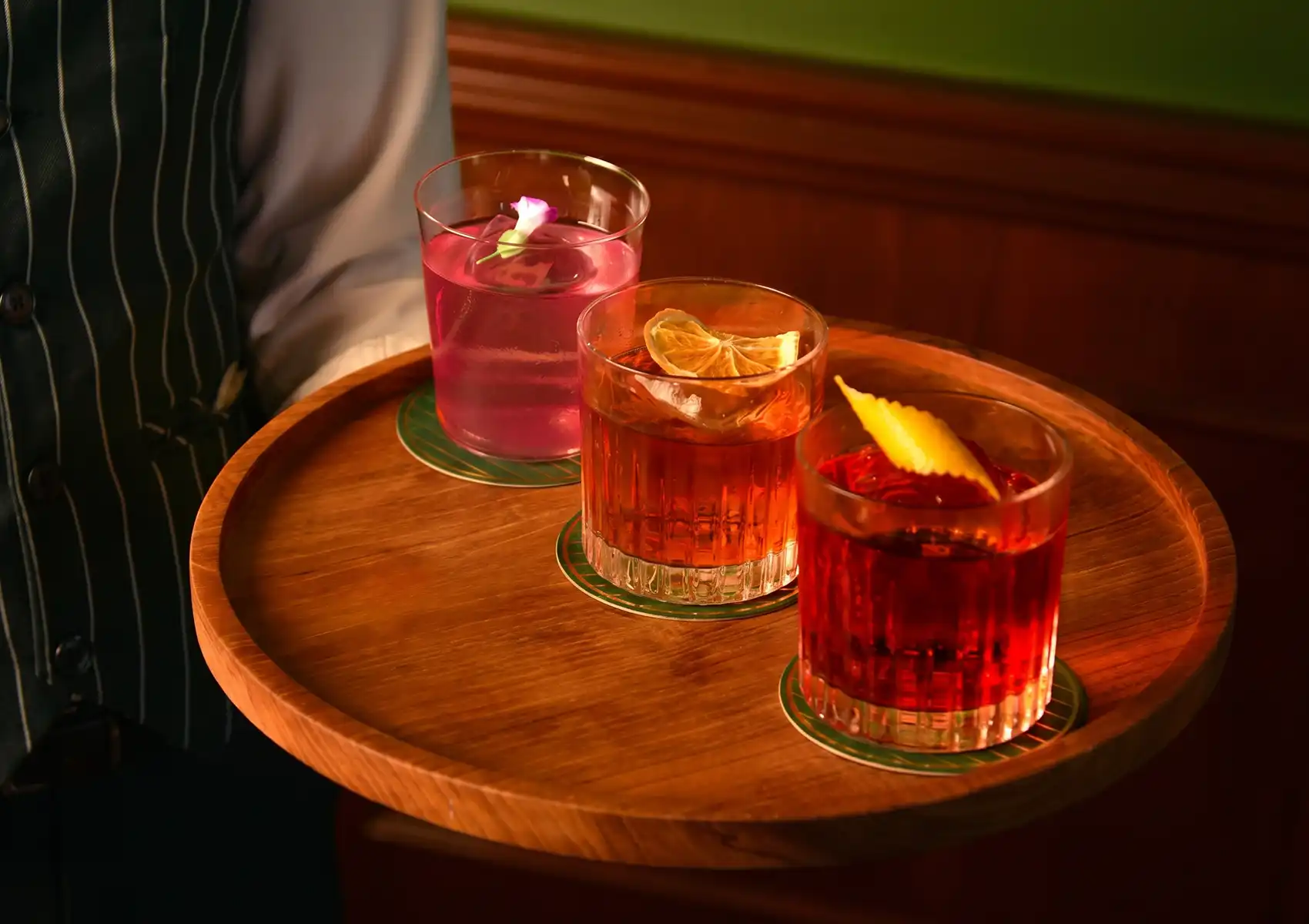
That trade-off produces a useful rule of thumb: spirit-forward, stirred cocktails are usually the best candidates for barrel ageing.
The Negroni, Old Fashioned, Boulevardier and Manhattan all work well as starting points because they are built around spirits, fortified wines, liqueurs and bitters. These ingredients are generally more stable than fresh juices and can benefit from the integration that ageing provides.
Fresh citrus is a poor candidate for extended barrel ageing. Lemon and lime juice lose their freshness quickly, so a barrel-aged margarita or daiquiri is generally better understood as a pre-batched cocktail than as a long-term ageing project. Fresh dairy, egg and other highly perishable ingredients are similarly unsuitable.
Carbonated ingredients are another matter. A conventional barrel is not designed to retain pressure, so drinks containing soda or sparkling wine are normally carbonated or topped up immediately before serving.
For anyone trying barrel ageing at home, the practical takeaway is simple: start with a spirit-forward stirred cocktail and understand your barrel before committing to a long ageing period.
How to Taste an Aged Cocktail
Given how much can change, the best way to understand an aged cocktail is to taste it against the drink it came from.
Order both versions if a bar offers them side by side. Taste the fresh cocktail first, ideally at the same temperature and in similar glassware. Look for the differences in sequence: colour, texture, integration, alcohol perception and finally the influence of the wood.
Look for integration rather than obvious oak. A well-aged cocktail should still taste like the cocktail it started as, only more rounded and integrated. If the wood becomes the loudest flavour in the glass, the ageing has begun to overwhelm the original recipe.
Expect to drink it more slowly, too. Barrel-aged cocktails tend to feel fuller and more developed than their fresh counterparts, making them better suited to a slower serve.
Barrel-Aged Cocktails at Pinstripe Bar
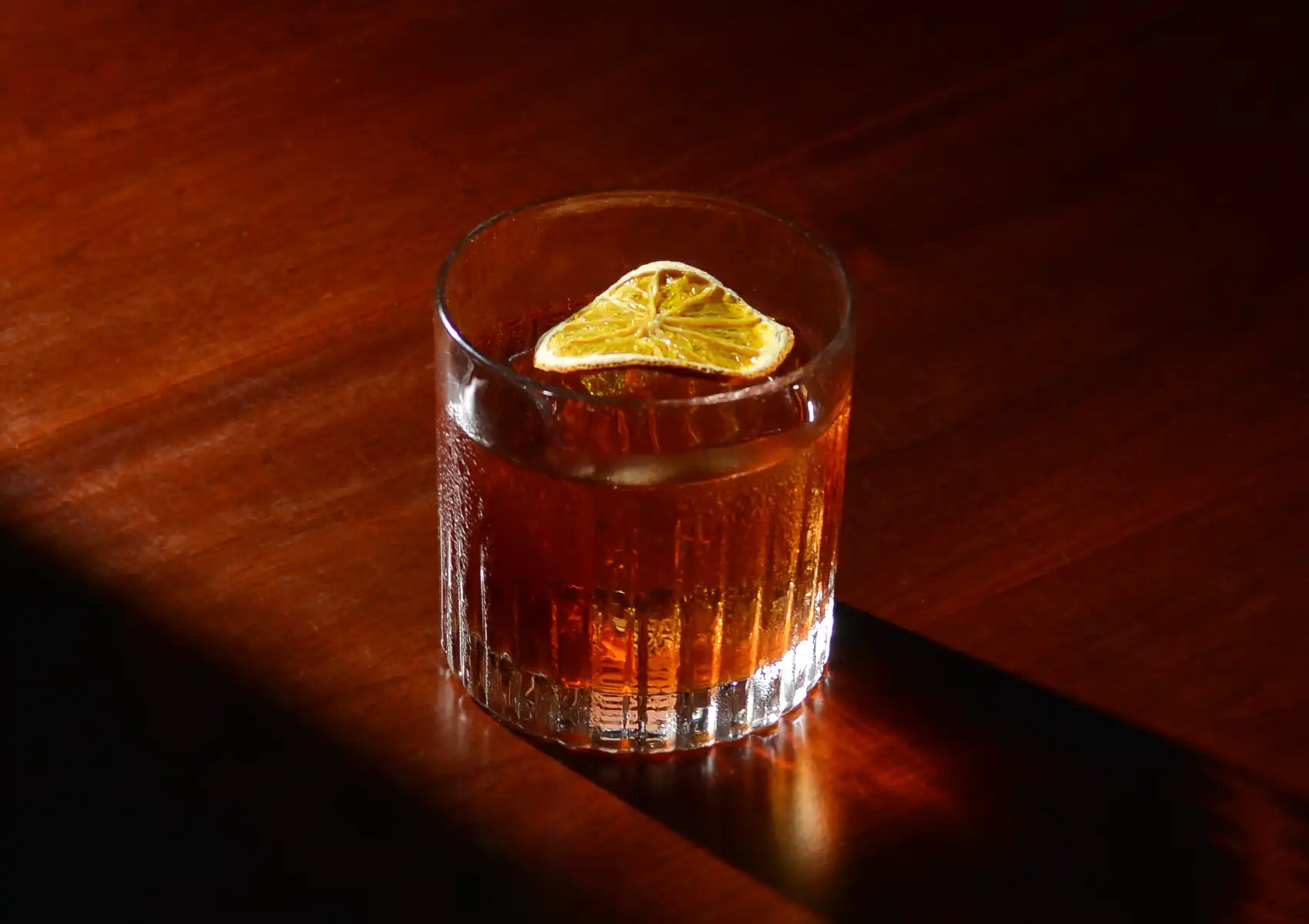
At Pinstripe Bar, the flagship example of the technique is the Solera Barrel Negroni. The name is worth pausing on because it describes the ageing system rather than simply decorating the drink.
A solera is a system associated with sherry in Jerez, where casks are arranged in tiers and wine is gradually blended by drawing from older casks and replenishing them with younger wine. The result is a continuously evolving blend rather than a single vintage.
Applied to a Negroni, the system creates a drink with continuity across batches. The cocktail develops over time while retaining a connection to what came before it.
In the glass, the result is a Negroni with softer edges and greater integration. The bitterness remains, but the gin’s botanicals, vermouth and aperitivo feel more closely woven together, while the texture is fuller than that of a freshly built Negroni. Ordering it alongside the Holy Negroni gives you a direct way to experience what extended ageing can do to the same basic cocktail.
Scarface approaches the idea from a different direction, using aged cacao butter to bring rounded, faintly savoury weight to a gin drink. Rather than ageing the entire cocktail, it shows how ageing a single component can introduce some of the same depth and complexity with a smaller commitment.
Reserve Your Table at Pinstripe Bar
Aged cocktails are best experienced at a bar where the technique is treated as part of the drink rather than a gimmick. Pinstripe Bar sits above the Valley of the Kings and opens daily from 4 PM to 11.30 PM, with the food menu running from 5 PM to 9 PM and live music on Friday and Saturday evenings.
Ask the bar team to serve the aged and fresh Negroni side by side, and taste the fresh version first. The comparison makes the effect of ageing much easier to understand.
Frequently Asked Questions
What is a barrel-aged cocktail?
A barrel-aged cocktail is a mixed drink that has been rested in a wooden vessel before serving. During that time, the cocktail can take on flavours from the wood while its ingredients become more integrated. It differs from using an aged spirit in a freshly made cocktail.
How long are cocktails aged?
Barrel-aged cocktails can rest for anything from a few weeks to several months or longer, depending on the recipe, barrel size, wood and desired result. Smaller barrels expose the liquid to proportionally more wood and can therefore work much faster than larger barrels. The Solera Barrel Negroni at Pinstripe Bar is maintained through a two-year ageing system.
Which cocktails can be barrel-aged?
Spirit-forward stirred drinks such as the Negroni, Old Fashioned, Boulevardier and Manhattan are among the most suitable candidates. Cocktails containing fresh citrus, dairy, egg or carbonation generally require a different approach because these ingredients do not benefit from extended barrel ageing.