Rum covers a wider range of styles than many drinkers realise, and at a cocktail bar in Ubud, that breadth is part of what makes it interesting. Two bottles can both be labelled rum yet taste remarkably different, which makes understanding the main styles useful when deciding what to order.
What Is Rum?
Rum is a spirit made from sugarcane-derived materials, most commonly molasses or sugarcane juice. The distinction that matters often begins before distillation. Molasses is the thick, dark syrup left after sugar has been extracted from sugarcane juice, while some rums are made directly from fresh-pressed cane juice.
That difference can be noticeable in the glass. Molasses-based rum can bring notes of caramel, dried fruit, toasted sugar and spice, while fresh cane juice can produce a grassier, more vegetal character that stays closer to the flavour of the plant itself.
Rum is also a broad category with production rules that vary considerably between countries and regions. Unlike categories such as Scotch whisky or Cognac, there is no single global set of rules governing how all rum must be produced or labelled. As a result, terms such as white, gold and dark can describe appearance and style rather than guaranteeing a specific production method or ageing period.
The Types of Rum
Because rum covers such a wide range, it is useful to start with six broad styles.
White or light rum is typically clear in appearance and often designed for mixing. Some are lightly aged and then filtered to remove colour, while others may be unaged. Their relatively clean profile makes them particularly useful in cocktails such as the Daiquiri and Mojito.
Gold rum generally has more colour and body than a light rum, often as a result of ageing in wood, although colouring can also play a role in some products. Depending on the bottle, it can sit comfortably between mixing and sipping, bringing more depth without becoming as heavy as some darker styles.
Dark rum is a broad term rather than a precise production category. Dark rums can be aged, blended or coloured, and their flavours range from caramel and molasses to dried fruit, spice and oak. Some work particularly well in richer cocktails where a more pronounced rum character is needed.
Aged rum has spent time in wooden casks, where it can develop flavours such as vanilla, caramel, oak, dried fruit and baking spice. Ageing conditions matter too. A rum matured in a warm tropical climate can develop differently from one aged in a cooler environment, and the length of ageing alone does not determine the final character.
Spiced rum is made by adding spices or other flavouring ingredients to rum, although the exact production method and level of sweetness vary by brand. Vanilla, cinnamon, clove and other warm spices are common, making spiced rum particularly approachable in simple mixed drinks and cocktails.
Agricole rum is most closely associated with the French Caribbean and is made from fresh sugarcane juice rather than molasses. It is known for its grassy, vegetal and sometimes mineral character, giving it a very different profile from many molasses-based rums.
These styles overlap. A rum can be both aged and dark, for example, while a white rum may have been aged and then filtered clear. The label is a starting point; the production method and individual bottle tell you much more.
How Rum Behaves in Cocktails
Since rum styles differ so widely, the way they behave in cocktails varies just as much.
At the bright end, a light rum with lime and sugar creates the classic Daiquiri: clean, refreshing and sharply balanced. With so few ingredients, the character of the rum remains easy to notice.
In the middle, gold and darker rums work naturally with richer flavours. Pineapple, coconut and passion fruit can complement the caramel, spice and dried-fruit notes found in many fuller-bodied rums. This is one reason rum became so closely associated with tropical and Tiki-style cocktails.
At the richer end, aged rum can work beautifully in short, spirit-forward cocktails. Its oak, vanilla, caramel and spice notes can complement bitters and other structured ingredients, making an aged rum Old Fashioned a natural alternative to the whisky version.
Agricole rum sits in a different flavour space. Its fresh cane character can be grassy and assertive, so it is often paired with ingredients that complement rather than conceal those qualities. It can also be the star of a simple serve where its distinctive character has room to show.
How to Drink Rum
Beyond cocktails, rum can be enjoyed in several ways, depending on the style and the bottle.
Aged rum is often enjoyed neat or with a small amount of dilution. Serving it at room temperature in a glass with a narrower opening can help concentrate the aromas, allowing notes of vanilla, oak, spice and dried fruit to come through.
Gold and darker rums can also work well over ice, particularly when you want to soften the alcohol and gradually open up the flavours. One large cube melts more slowly than several smaller pieces, giving you more control over dilution.
White rum is primarily associated with cocktails and mixed drinks, although some well-made examples can certainly be enjoyed neat. Agricole rum can also be tasted neat, particularly when you want to experience its distinctive fresh-cane character without other ingredients competing for attention.
There is no single correct way to drink rum. The style, the bottle and your own preference all matter.
Rum at Pinstripe Bar
The rum selection at Pinstripe Bar covers several different styles, making it possible to compare the category without leaving the bar.
Appleton Estate brings the distinctive character associated with Jamaican rum, where pot-still production and blending can contribute rich, fruity and sometimes funky notes. Diplomatico offers a softer and rounder profile, while Ron Zacapa is known for its rich, sweet-leaning character. Flor de Caña represents a cleaner, more restrained style, while Veritas is a blended white rum designed primarily with cocktails in mind.
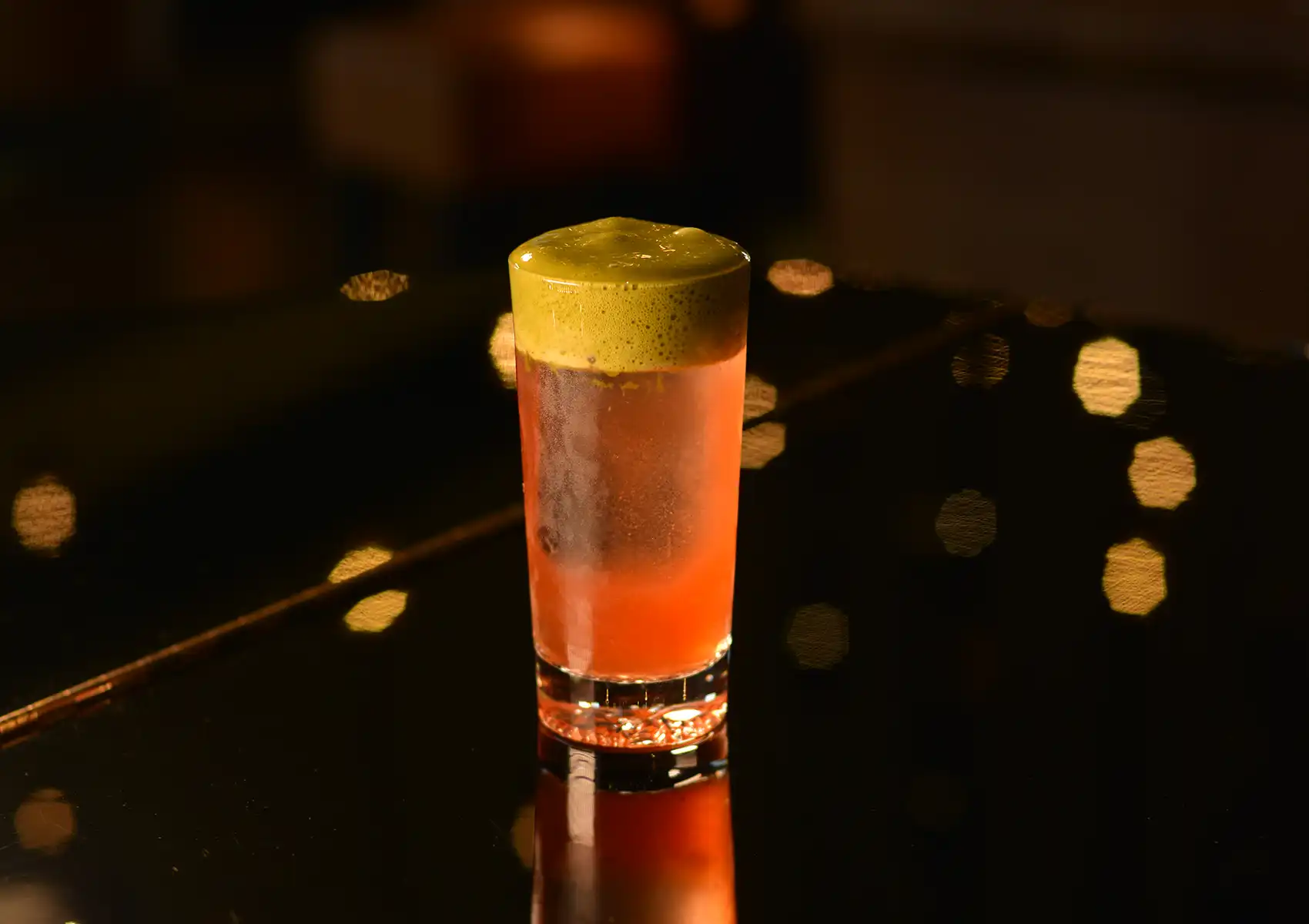
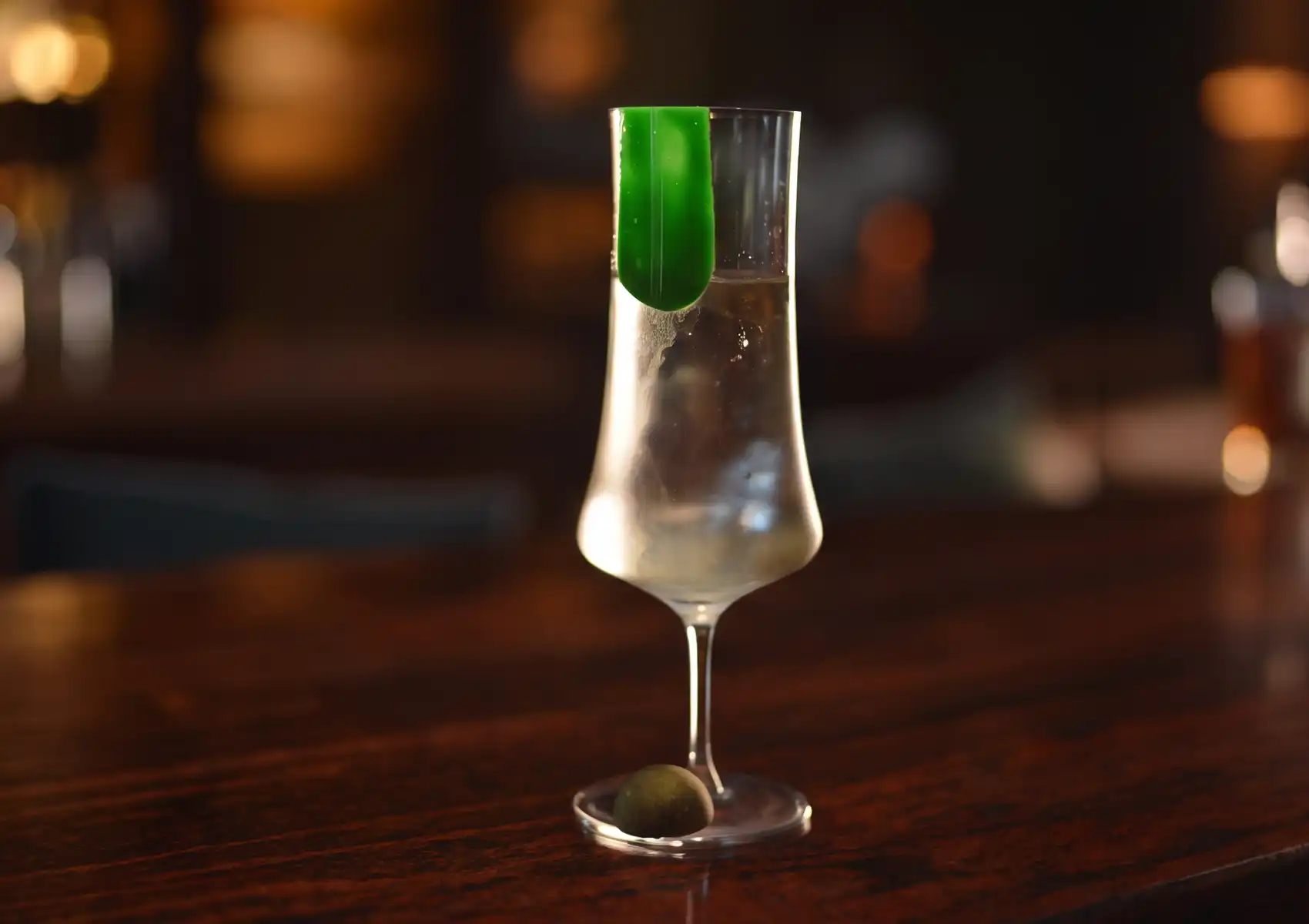
The cocktails show another side of the selection. Veritas rum carries The Sweetheart, where a clean white rum provides a light base for the other ingredients. Coconut rum features in The Primitivist alongside gin, pineapple and passion fruit, taking the drink in a tropical direction while keeping the overall profile layered and considered.
If you want to explore the category rather than simply order a rum cocktail, ask the bar team to compare two different rums. Tasting contrasting styles side by side can reveal more about rum than trying to memorise a list of labels.
Reserve Your Table at Pinstripe Bar
Rum is best explored somewhere you can compare different styles and ask questions as you go. At Pinstripe Bar, the rum selection allows you to move from a light white rum in a cocktail to a richer aged expression or a distinctive cane-juice style.
Whether you want a refreshing rum cocktail, a spirit-forward serve or a comparison between two bottles, tell the bar team what you usually enjoy and let them guide you from there.
Reserve your table and explore the different sides of rum at Pinstripe Bar.
Frequently Asked Questions
What is the difference between light and dark rum?
Light rum is generally clear and often used in cocktails, although some examples are aged and then filtered to remove their colour. Dark rum is a broader style that can include aged, blended or coloured rums, usually with a deeper flavour profile. The colour alone does not tell you exactly how a rum was produced.
How should you drink aged rum?
Aged rum can be enjoyed neat, over ice or in a spirit-forward cocktail. Try it neat or with one large ice cube first so you can experience its natural flavours before deciding how you prefer it.
What is a good rum cocktail?
A Daiquiri made with a good light rum and fresh lime is an excellent introduction because its simple recipe lets the rum shine. If you prefer something richer, try an Old Fashioned made with aged rum instead of whisky.
What Is Agricole Rum?
Agricole rum is made from fresh sugarcane juice rather than molasses and is particularly associated with the French Caribbean. It tends to have a grassy, vegetal and fresh character that distinguishes it from many molasses-based rums.
Is All Dark Rum Aged?
No. Dark colour does not necessarily mean a rum has spent a long time in a barrel. Colour can come from ageing, blending or the addition of colouring in some products. If ageing is important to you, check the bottle’s production information rather than relying on the colour alone.