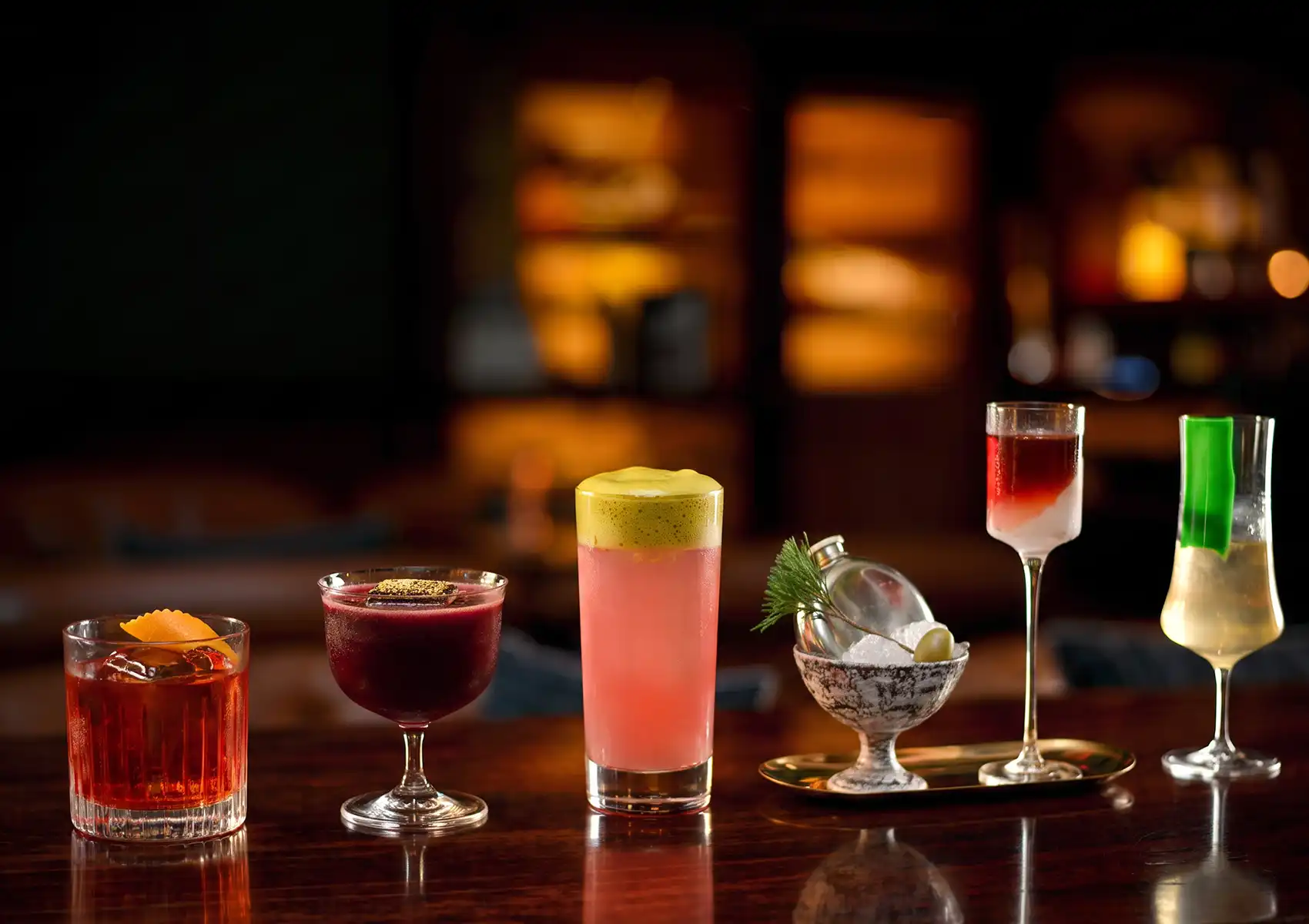
Cocktail glassware is easy to overlook, yet the glass in your hand can change how a drink looks, smells and feels. At Pinstripe Bar, a cocktail bar in Ubud, glassware is part of the presentation rather than an afterthought. The shape, size and weight of a glass can help keep a drink chilled, direct its aroma and suit the way it is meant to be enjoyed.
This simple guide explains the main types of cocktail glasses, what they are commonly used for and why bartenders choose one shape over another.
Why Glassware Matters
A glass is more than a vessel. It is part of how a cocktail is experienced.
Temperature is one consideration. A stem allows you to hold a chilled drink without placing your hand directly around the bowl, while a heavy tumbler feels natural for a drink served over ice.
Aroma matters, too. The bowl’s shape and width affect how aromas reach your nose as you drink. A smaller, more enclosed glass can concentrate certain aromas, while a wider bowl gives you more room to explore the drink.
Volume is another factor. A highball or Collins glass has room for ice and a mixer, making it suitable for longer, more refreshing drinks. A smaller stemmed glass is better suited to a concentrated cocktail served chilled and without ice.
Then there is presentation. Before you take the first sip, the shape of the glass already tells you something about the drink in front of you.
Coupe, Martini and Nick and Nora Glasses
Stemmed glasses are closely associated with cocktails served up, meaning chilled and served without ice, but the choice between them is not simply a matter of tradition. Those principles show up most clearly in the glasses built on a stem.
The coupe glass has a shallow, rounded bowl on a stem. It is commonly used for cocktails, including many sours and classic cocktails. Its wide bowl gives the drink an elegant appearance and makes it easier to appreciate the aroma. It also exposes more surface area.
The Martini glass has the familiar V-shaped bowl associated with Martinis and other classic cocktails. It is designed for a drink served without ice and gives a Martini its instantly recognisable appearance. Today, however, many bars also serve Martinis in coupes or Nick and Nora glasses.
The Nick and Nora glass is smaller and more enclosed, with a rounded or tulip-shaped bowl. Its compact shape is particularly practical for stirred cocktails, giving you a comfortable way to hold a chilled drink while reducing the risk of spills.
These glasses are not interchangeable in appearance, but they can overlap in function. The choice often comes down to the drink, the bar’s style and the experience the bartender wants to create.
Rocks, Highball and Collins Glasses
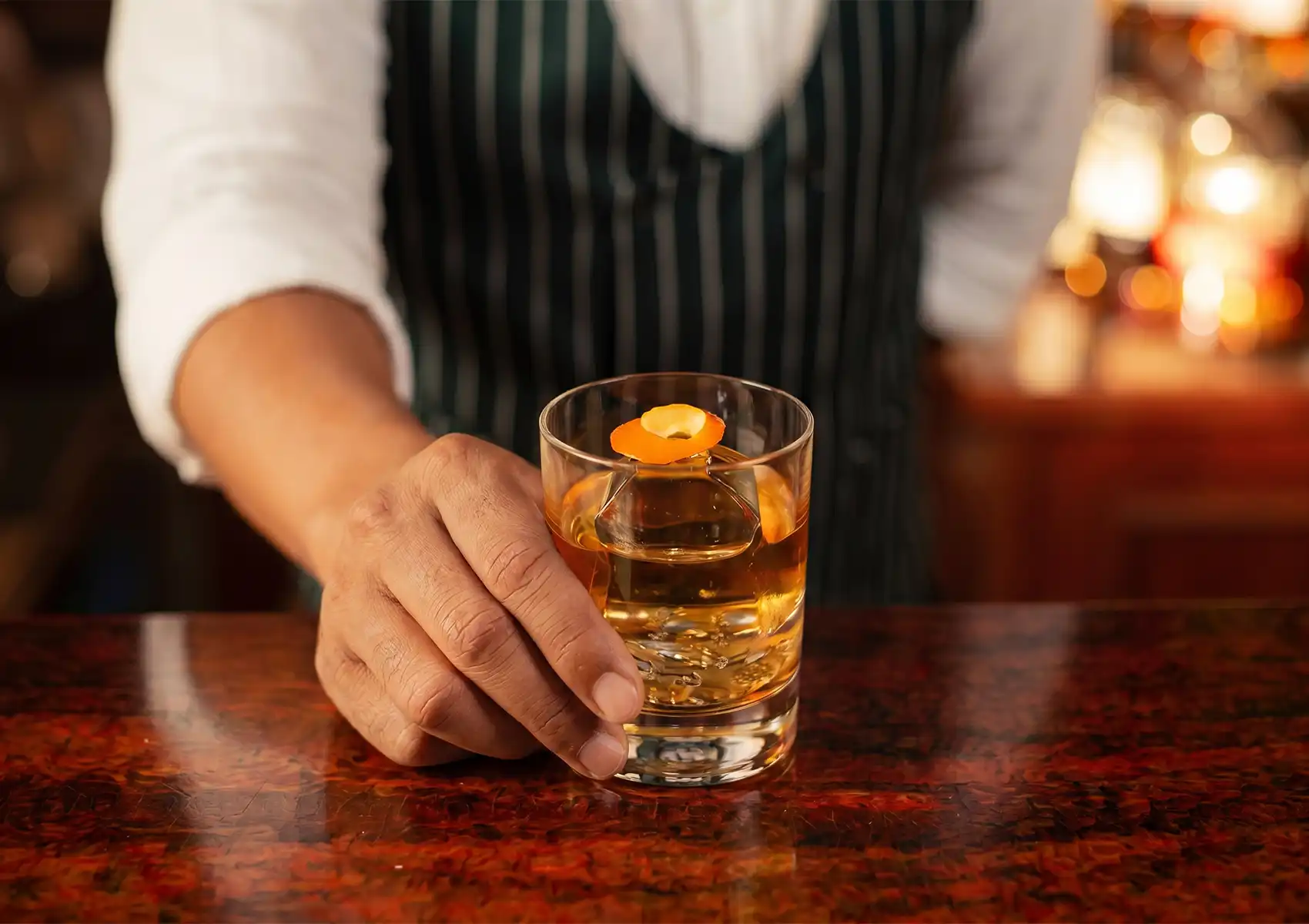
The other major category is the tumbler. These are built for drinks served over ice.
A rocks glass, also called an Old Fashioned glass, is short and sturdy. It is commonly used for spirit-forward cocktails served over ice, such as an Old Fashioned or Negroni. Its broad base works particularly well with a large ice cube or several smaller cubes, while its weight gives the drink a substantial feel in the hand.
A highball glass is taller and narrower. It is designed for long drinks containing a base spirit, ice and a larger proportion of mixer. A Gin and Tonic or another refreshing highball is a natural example.
The Collins glass is also tall, but generally narrower and taller than a traditional highball. It is associated with drinks such as the Tom Collins and other long cocktails with plenty of ice and mixer.
The distinction between highball and Collins glasses is not always strict. Modern bars often use the terms differently, and glassware can vary from one establishment to another. What matters most is that the glass provides enough space for the drink, ice and mixer while supporting the way it is intended to be enjoyed.
The Specialist Glasses
Beyond everyday shapes, a few specialty glasses earn their place for specific drinks and spirits.
The copita is a small, tulip-shaped glass commonly used for tasting and sipping spirits, particularly whisky and agave spirits such as mezcal. Its narrower opening helps direct aromas towards the nose, making it useful when the spirit’s character is the focus.
The snifter, with its wide bowl and short stem, is strongly associated with Cognac and other aged spirits. Its shape provides plenty of surface area for the spirit while allowing the drinker to explore its aroma. It is one of several glass styles suitable for sipping aged spirits.
There are also glasses designed around particular drinks or serving styles, including flute glasses for sparkling wine and narrow shot-style glasses for small pours.
These specialist shapes are not rules that every bar must follow. They are tools that bartenders can use to support the character and presentation of a particular drink.
Cocktail Glassware at Pinstripe Bar
At Pinstripe Bar, glassware forms part of the presentation of both classic and signature cocktails. The bar’s current cocktail programme, The Clairvoyant, pays tribute to the artists and academics who found inspiration in Bali during the 1930s, with each cocktail built around its own story.
The menu also includes classics such as the Old Fashioned and Martini. These familiar drinks demonstrate how much the cocktail’s format influences the choice of glass. An Old Fashioned is naturally suited to a sturdy rocks glass and ice, while a Martini calls for a chilled stemmed glass when served up.
Pinstripe’s signature cocktails also use different serving styles, from concentrated drinks to longer cocktails built around ice and refreshing mixers. Rather than treating cocktail glassware as decoration, the bar uses it as part of the overall presentation.
That attention to detail is easy to miss when you are focused on the ingredients, but it becomes noticeable once you start focusing on the glass itself.
Look Beyond the Shape
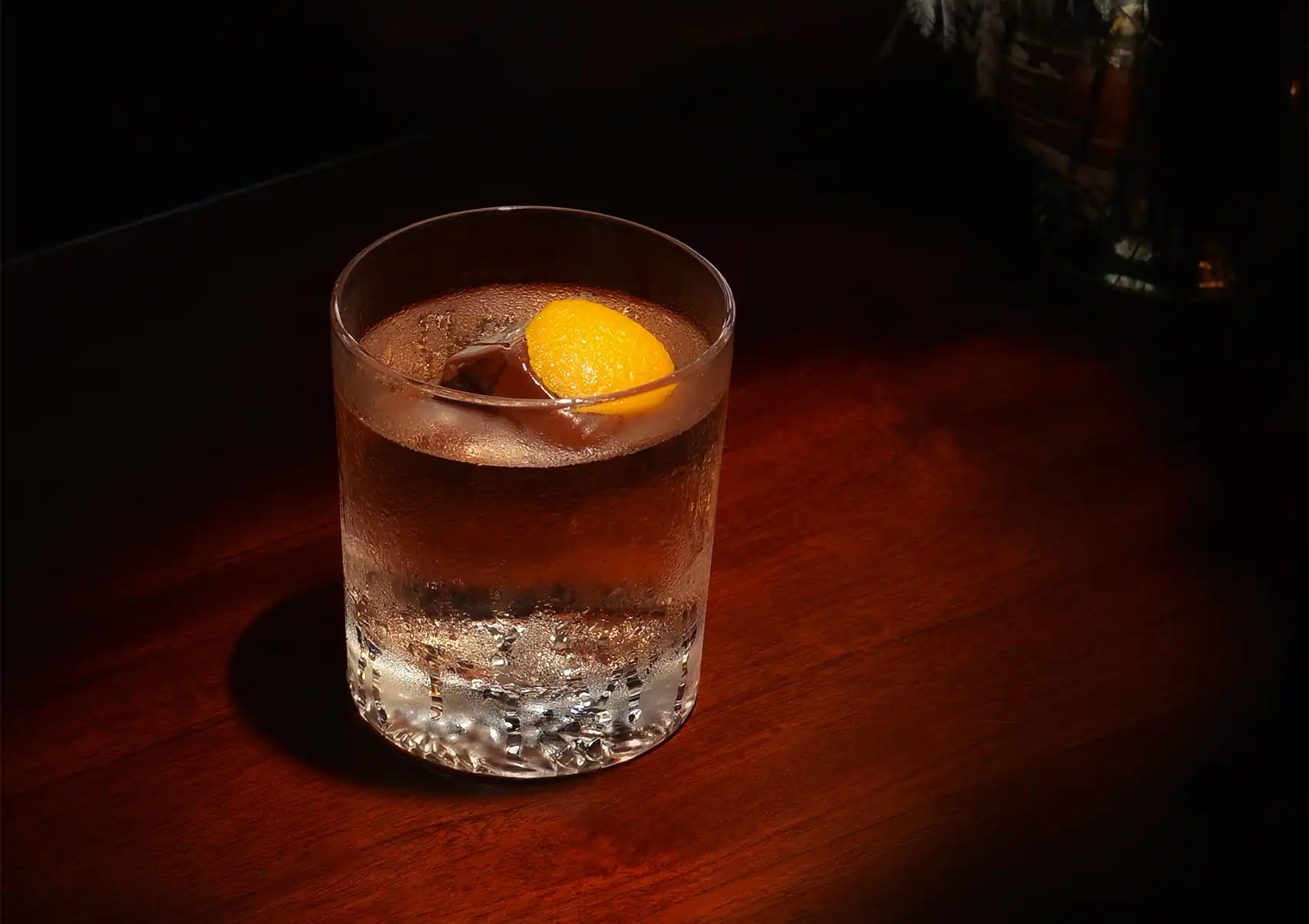
The next time a cocktail arrives at your table, take a moment before the first sip.
Notice the weight of the glass. Look at how much room the ice has. Bring the drink towards your nose and see how the shape directs the aroma. Then notice how the glass feels in your hand as you drink.
There is no single “correct” cocktail glass for every situation. A coupe, Martini glass, Nick and Nora, rocks glass or highball can each be the right choice depending on the drink and the experience the bar wants to create.
At Pinstripe Bar, a cocktail bar in Ubud, that choice is part of the wider craft. The glass is the final piece that brings the drink together.
Reserve Your Table at Pinstripe Bar
Understanding cocktail glassware is one thing. Seeing how it changes the experience is another.
At Pinstripe Bar, cocktails are served in glassware chosen to suit their style, from classics such as the Martini and Old Fashioned to the bar’s story-led signature creations. With rice fields and views of the Valley of the Kings surrounding the bar, the setting is one where the details are worth slowing down to take in.
Order a cocktail, take a closer look at the glass and notice what changes before you even take the first sip.
Reserve your table and taste the difference for yourself.
Frequently Asked Questions
Does the Glass Really Change a Cocktail?
Yes, although the effect depends on the drink and the glass. Shape, volume and material can influence temperature, aroma, dilution and how the cocktail feels to drink. The recipe remains the same, but changing the glass can change the overall experience.
What Glass Is a Martini Served In?
A Martini is traditionally associated with a Martini glass, the stemmed glass with a V-shaped bowl. Many bars also serve Martinis in a coupe or Nick and Nora glass. The important characteristics are that the drink is chilled and served without ice, while the stem allows you to hold the glass without warming the bowl with your hand.
What Is a Coupe Glass Used For?
A coupe is a shallow, stemmed glass commonly used for cocktails served up, including many sours and classic cocktails. It can also be used for sparkling wine. Its wide bowl gives the drink an elegant presentation and makes the aroma easy to appreciate, although it can be more prone to spills than a narrower glass.
What Is a Rocks Glass Used For?
A rocks glass is a short, sturdy tumbler commonly used for cocktails served over ice. Classic examples include the Old Fashioned and Negroni. Its broad base works well with a large ice cube and gives spirit-forward drinks a substantial presentation.
What Is a Copita Glass Used For?
A copita is a small, tulip-shaped glass used for tasting and sipping spirits. It is particularly associated with whisky and agave spirits such as mezcal. Its shape helps direct aromas towards the nose, making it useful when the spirit’s aroma and character are central to the experience.