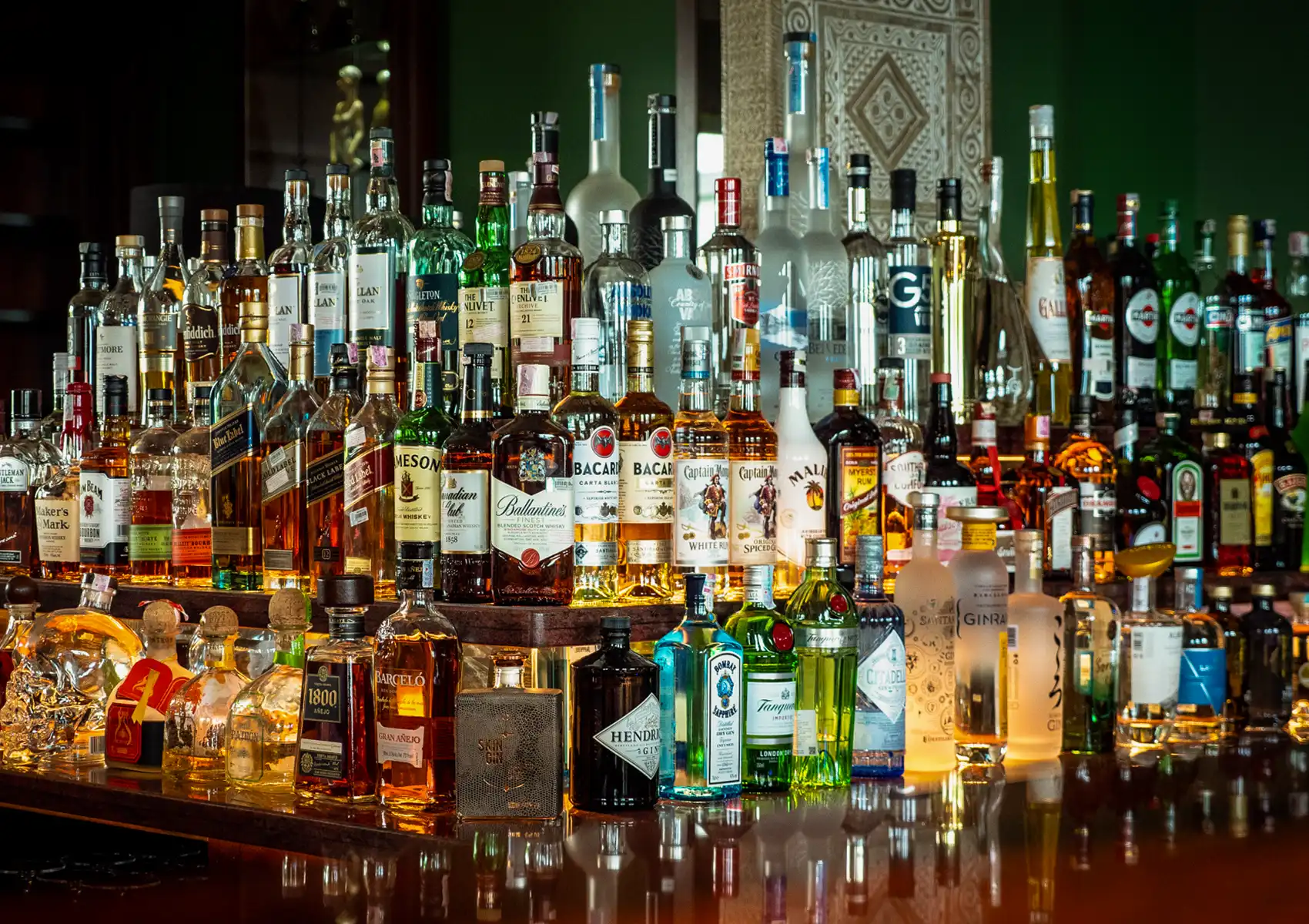
Mezcal is one of the most misunderstood spirits at any cocktail bar in Ubud, and the misunderstanding almost always starts with one word: smoky. It is accurate but partial. Mezcal can be bright and herbaceous, softly floral, deeply earthy, or richly savoury, depending on how it is made and which agave it comes from. Understanding the different types of mezcal turns the list from a source of uncertainty into an invitation to explore.
What Is Mezcal
Mezcal is a Mexican spirit distilled from the agave plant. Tequila is itself a type of mezcal, made only from blue agave, but mezcal is far broader, drawing on dozens of agave varieties grown across several Mexican states, with Oaxaca as its heartland. Its smoky character comes from roasting the agave hearts, known as piñas, in underground pits before fermentation and distillation. That roasting gives mezcal its depth, though the intensity varies from one bottle to the next.
The Three Production Categories of Mezcal
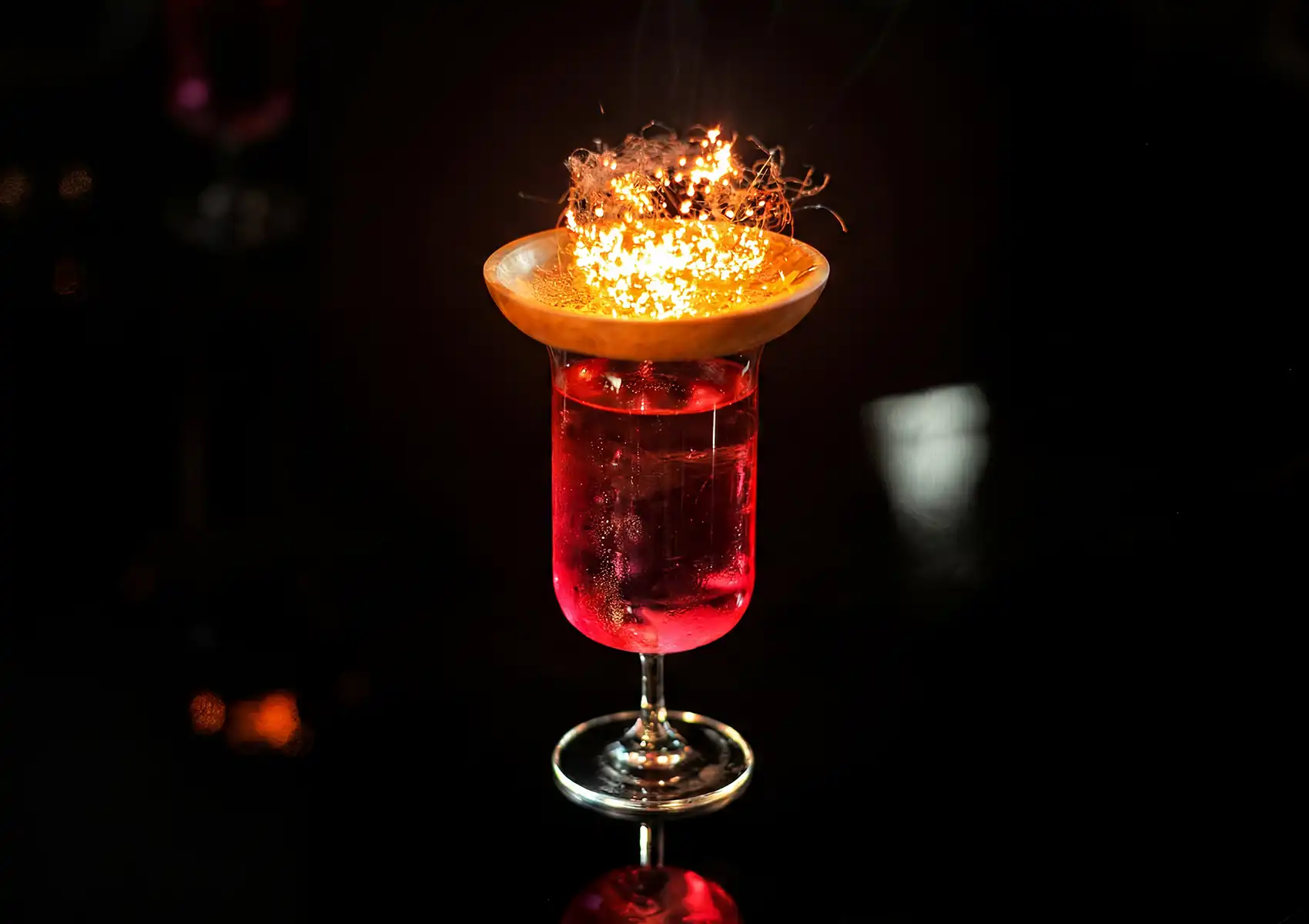
How a mezcal is crafted matters as much as what it is crafted from, and the official classifications reflect that, describing the level of traditional artisanship involved, from modern and efficient through to almost entirely handmade.
Mezcal
The standard category permits some modern equipment alongside traditional steps. The result is typically cleaner and more consistent, with a more restrained smokiness. A considered entry point for those new to the spirit.
Mezcal Artesanal
The artisanal category demands traditional craft: agave pit-roasted underground, often milled by stone wheel, and distilled in clay or copper pot stills heated by direct fire. These mezcals carry more texture, more smoke, and a depth of character that many consider the true expression of the spirit. The vast majority of mezcal available at the finest bars is artesanal.
Mezcal Ancestral
The ancestral category is the most demanding and the rarest, requiring clay-pot distillation and entirely manual production. Labour-intensive and deeply traditional, these mezcals are prized for their directness and their connection to centuries of craft.
Types of Mezcal by Ageing
Mezcal is also classified by how long it rests before bottling. Ageing softens the sharper edges, adds complexity, and draws new flavours from the wood, running from the pure and vibrant to the opulently mellow.
Joven and Blanco
Joven (young) and blanco (white) are unaged expressions bottled soon after distillation, showing the agave and the smoke at their most direct.
Reposado
Reposado, or rested, mezcal spends two months to a year in wood. The barrel rounds the spirit, adding gentle vanilla and warm spice while keeping the agave clearly present.
Añejo
Añejo mezcal rests in a barrel for at least a year, emerging darker and smoother, the smoke folding into deeper notes of oak, dried fruit, and caramel.
Extra Añejo
Aged three years or more, extra añejo is mezcal at its most opulent: rich and mellow, the smoke now a quiet note beneath layers of fruit, spice, and wood.
Madurado en Vidrio
Madurado en vidrio, or matured in glass, is a rarer style rested in glass rather than wood. It softens while keeping the pure character of the agave, with no barrel influence.
Types of Mezcal by Agave Variety
The agave itself is perhaps the greatest influence on flavour, so the variety on the label is a meaningful clue. With over thirty varieties in use, the range of expression is extraordinary. These are the names most worth knowing.
Espadín
Espadín is the quintessential mezcal agave behind most bottles. Quick to mature, it gives a balanced, approachable spirit with clear smoke, gentle sweetness, and notes of citrus and green herbs. The ideal place to begin.
Tobalá
Tobalá is a wild agave that grows slowly in highland forests, small and hard to harvest. It gives a refined, elegant mezcal with floral, fruity, and subtly earthy notes, widely regarded as one of the finest varieties.
Tepeztate
Tepeztate is a wild agave that can take twenty-five years or more to mature, repaying the wait with an intensely herbaceous, peppery spirit full of bright vegetal character.
Ensamble
Ensamble is not a single agave but a blend of two or more varieties distilled together. No two ensembles are quite alike.
How to Drink Mezcal
Tradition holds that mezcal should be sipped slowly, never rushed. Served neat at room temperature in a small clay copita, it is meant to be nosed and tasted in small sips, letting the smoke and agave reveal themselves gradually. A classic accompaniment is a slice of orange and a pinch of sal de gusano, a savoury worm salt that sharpens the fruit and tempers the smoke. Mezcal also brings remarkable depth to cocktails. However you take it, give the spirit the time and attention it has earned.
Exploring Mezcal at Pinstripe Bar in Ubud
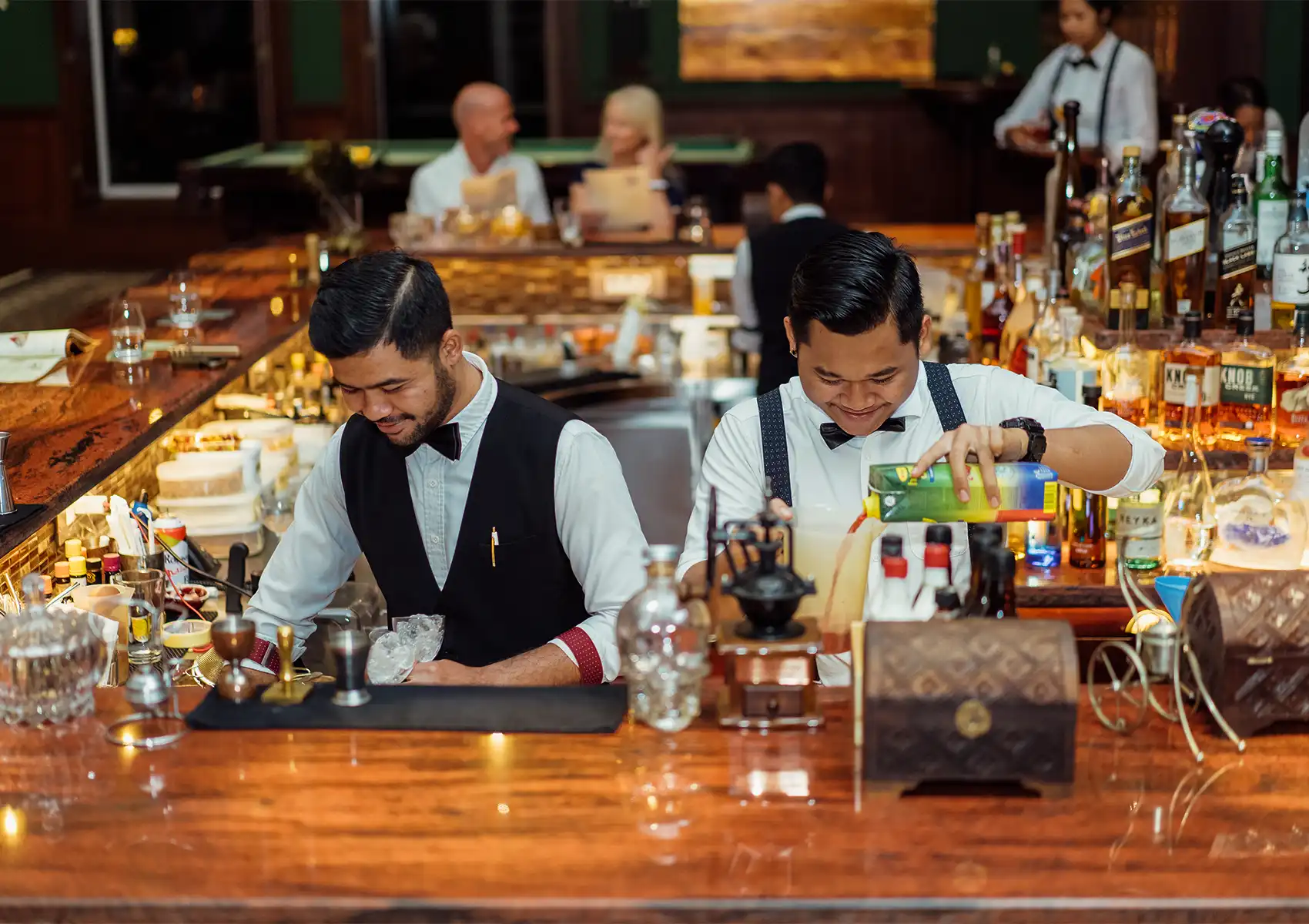
Reading about mezcal is where understanding begins; tasting across the styles is where it comes alive. Pinstripe Bar is a cocktail bar in Ubud with a curated agave collection, set in a 1930s-inspired speakeasy amid the rice fields, with the bar team on hand to guide you through it.
Espadín Mezcals on the Menu
For a considered introduction, espadín expressions offer a seamless entry point. Montelobos Espadín Artesanal, Creyente Espadín Artesanal, and The Lost Explorer Espadín are all artisanal, with the balanced smoke and gentle sweetness that make espadín such a rewarding start.
Tobalá and Rare Agave Varieties
For those who wish to venture further, the menu reaches into rarer territory. Tobalá expressions such as Montelobos Tobalá Artesanal, Codigo Tobalá Artesanal, and The Lost Explorer Tobalá offer the variety’s floral elegance, while the Se Busca Madrecuishe and the Codigo Papalome Ancestral take the curious drinker into wilder, more ancient styles.
The Clairvoyant Cocktail
To taste mezcal in a cocktail, the Clairvoyant is the definitive choice. Built with Koch Elemental Mezcal, fino sherry, beetroot, paprika, peanut butter, and watermelon, the cocktail is part of The Clairvoyant menu at Pinstripe Bar. Both the cocktail and the menu take their inspiration from Miguel Covarrubias, the artist nicknamed “The Clairvoyant” for his ability to sense cultural change before it arrived.
Reserve Your Table at Pinstripe Bar
The finest way to understand the different types of mezcal is to taste them in sequence, in a setting worthy of the spirit. Begin with an espadín to find your bearings, then move to a tobalá and notice how the agave changes everything. Close the evening with The Clairvoyant cocktail as the light softens over the Valley of the Kings. Pinstripe Bar is the cocktail bar in Ubud where mezcal is given the time, the setting, and the care it deserves. Reserve your table and let an unhurried evening introduce you to the agave.