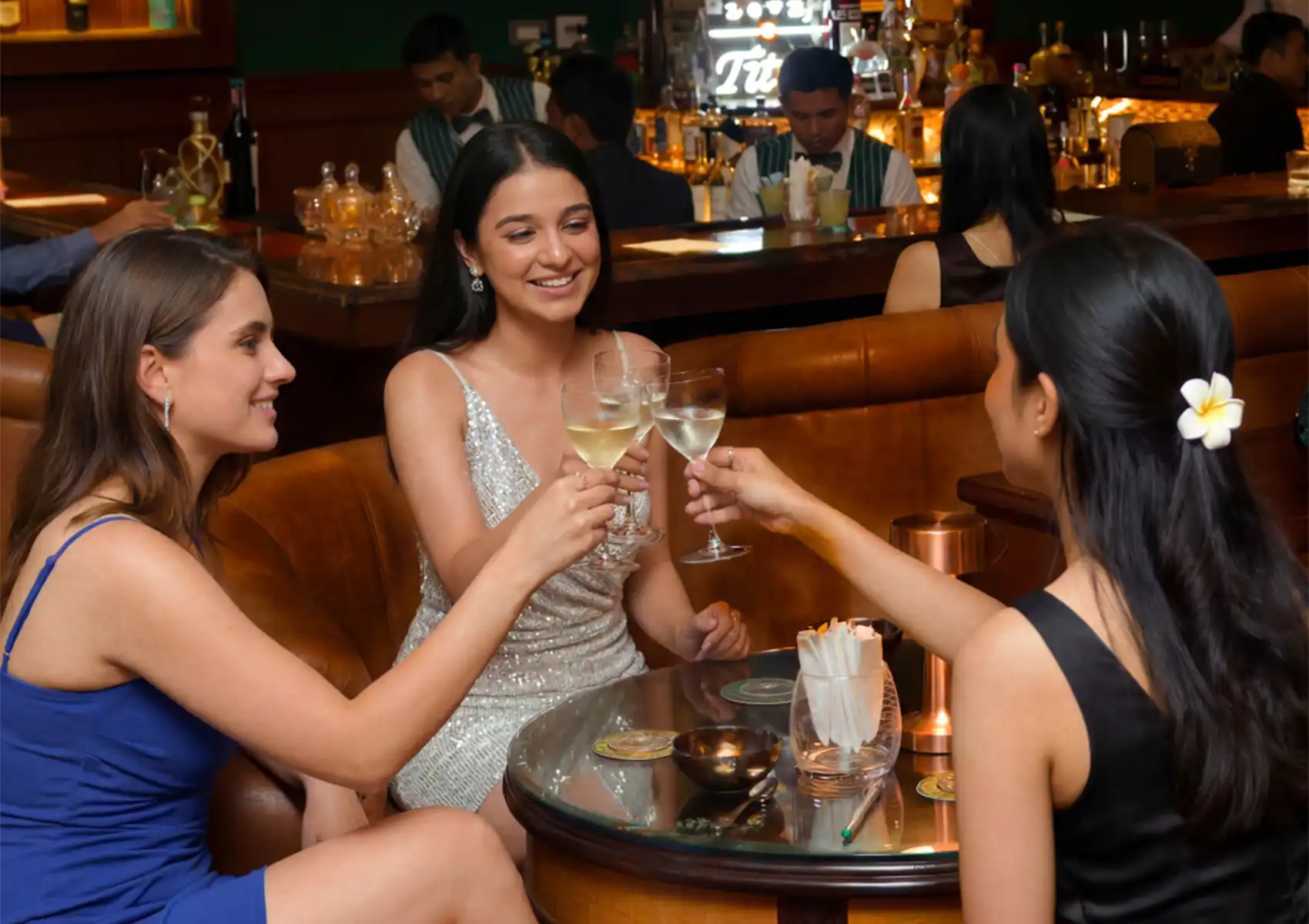
Pinstripe Bar takes its name from the pinstripe suit, the unofficial uniform of the Prohibition era, so this cocktail bar in Ubud owes more to Prohibition-era cocktails than many guests realise. When the United States outlawed alcohol in 1920, bartenders did not stop making drinks. They simply moved underground, and the resourcefulness born in those hidden rooms still shapes the glass placed in front of you on a warm Bali evening. Understanding a little of that history makes the drink in your hand and the room around you considerably more interesting.
What Are Prohibition Era Cocktails
Prohibition-era cocktails are drinks invented, adapted, or popularised between 1920 and 1933, the years in which the United States banned the sale, manufacture, and transport of alcoholic beverages. Legal bars closed their doors, but drinking never stopped. Instead, it moved into speakeasies, hidden rooms and private parlours, where bartenders worked with whatever spirits they could source, legal or otherwise.
What Is a Prohibition Cocktail?
A Prohibition cocktail is generally defined as a mixed drink created, or made popular, during the thirteen years of American Prohibition. Some, like the Sidecar, existed before the ban but found new life within it. Others were invented specifically to solve a problem particular to the era, namely how to make harsh, often poorly distilled spirits taste like something worth drinking. Fresh citrus, sugar, bitters and liqueurs were used generously, not for flavour alone, but to disguise what lay beneath.
The Story Behind Prohibition Era Cocktails
That single constraint set off a chain of consequences far beyond the glass. To understand why Prohibition-era cocktails looked and tasted the way they did, it helps to look at what bartenders were working with.
How Bartenders Learnt to Mask Bad Liquor
Much of the alcohol available during Prohibition was not something anyone would choose to drink neat. Industrial alcohol, bathtub gin and rough moonshine dominated the illegal trade. Bartenders reached for whatever could soften a harsh spirit: honey, fruit juice, cream, egg white and strong liqueurs like Chartreuse or Cointreau.
The Rise of the Speakeasy
With legal venues shuttered, the speakeasy became the new home of the cocktail. These hidden bars operated behind unmarked doors and coded knocks, and attracted a different crowd than the old-fashioned saloon had, including, for the first time in many American cities, women drinking openly alongside men. Jazz filled these rooms as often as conversation did.
The Most Popular Cocktails of the 1920s
Out of all this improvisation came a handful of 1920s cocktails that outlasted the decade entirely.
What Was the Most Popular Cocktail in the 1920s?
There is no single answer, since popularity varied by city and by bar, but a small group of drinks appear again and again in accounts of the era. The Sidecar, made from cognac, orange liqueur and lemon juice, was a favourite for its sharp citrus edge. The Bee’s Knees, built on gin and honey, solved the problem of harsh bathtub gin directly. The Mary Pickford, named after the silent film star, combined rum with grenadine and maraschino liqueur, and the Southside brought fresh mint and lime into a gin base that guests found refreshing even in a smoke-filled room. These are Prohibition-era cocktails that never really left, and each still appears on serious cocktail menus today.
How Pinstripe Bar Keeps the Prohibition Spirit Alive
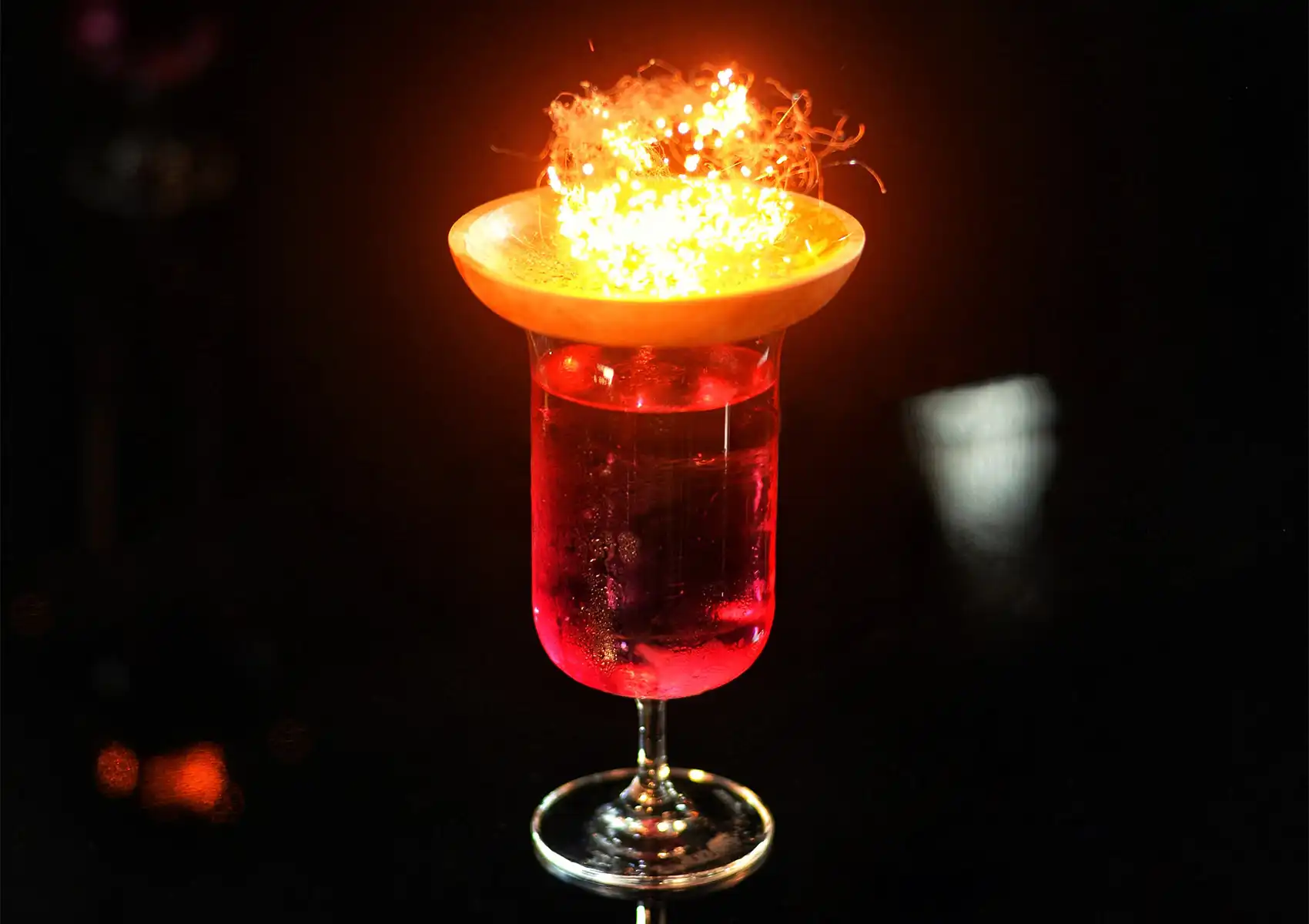
These stories are not simply history to be read and set aside. At Pinstripe Bar, a cocktail bar in Ubud built around the same spirit of discretion and craft, Prohibition-era cocktails remain part of the everyday menu rather than a museum piece.
The Clairvoyant Cocktail Menu
Pinstripe Bar’s cocktail menu, titled The Clairvoyant, includes a chapter dedicated to this period, drawing inspiration from the artist Miguel Covarrubias and the Harlem jazz clubs he frequented in the 1920s.
Who Was Miguel Covarrubias?
Covarrubias was a Mexican artist and caricaturist whose illustrations captured the musicians of the Harlem Renaissance with such sharpness that he earned the nickname “The Clairvoyant.” A decade later, that same instinct led him to Bali, inspiring the menu’s separate Bali Sojourn chapter.
The Harlem Renaissance Chapter
Five cocktails make up this chapter of The Clairvoyant menu, each named for a figure from 1920s Harlem and built with the same instinct for masking harsh spirits that defined the era itself.
- The Clairvoyant, Koch Elemental Mezcal, fino sherry, beetroot, paprika, peanut butter and watermelon, named for Covarrubias himself
- Scarface, Tanqueray No. TEN, Fernet Branca, strawberry balsamico, pomelo, torch ginger and aged cacao butter, named for Al Capone
- The Tramp, Peddlers Salted Plum, umeshu, charcoal, kaffir lime leaf, lychee and jackfruit, named for Charlie Chaplin
- Harlem, Tanqueray No. TEN, Amaretto Disaronno, passion fruit, sesame cream, pandan, miso, albumin and soda, named for the Harlem Renaissance movement itself
- The Sweetheart, Veritas Rum, Aperol, strawberry, jasmine, tarragon and whey, named for Mary Pickford.
An Evening Beneath the Valley of the Kings
Part of what makes an evening at Pinstripe Bar feel like a small escape is the setting itself. The bar looks out over Ubud’s lush greenery and holds one of the few genuine sunset views in this part of Ubud.
Live Music on Friday and Saturday Evenings
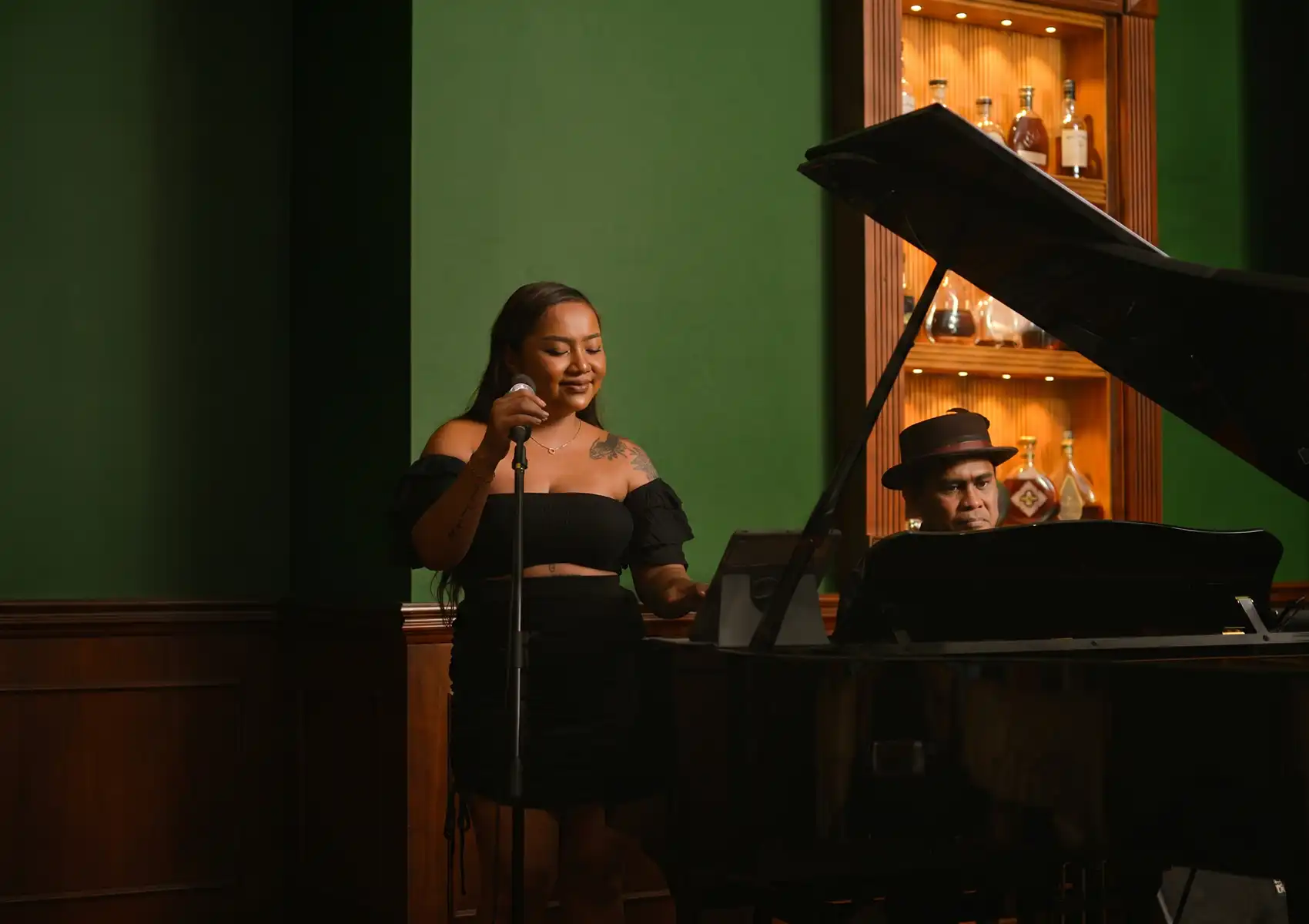
The bar team continues that atmosphere after dark. Live music on Friday and Saturday evenings, through Friday Night Live and Saturday Night Live, echoes the jazz clubs of Prohibition-era speakeasies.
A hundred years on, the appeal of Prohibition-era cocktails has not faded. If you are looking for a cocktail bar in Ubud that takes that history seriously, without taking itself too seriously, Pinstripe Bar is open daily from four in the afternoon, and there is always a seat by the valley waiting for you. Book a table and see for yourself.