
The difference between shaken and stirred cocktails is one of the first things a curious drinker learns to notice. At Pinstripe Bar, a cocktail bar in Ubud, the choice between the two is never random. Each technique serves a specific purpose, affecting the temperature, dilution, texture and appearance of the drink. Shaking and stirring are two ways to mix and chill a cocktail, but they produce noticeably different results in the glass. This guide explains what each technique does, when a bartender reaches for one over the other, and where to taste both on the Pinstripe menu.
What Shaking Does to a Cocktail
Shaking is the more energetic of the two methods, and it changes a drink in several ways at once. Sealing the ingredients with ice in a shaker and shaking them vigorously chills the drink, adds dilution as the ice melts, and introduces air into the liquid.
That aeration is particularly important for drinks containing ingredients such as citrus juice, fruit, syrups, cream or egg white. It helps create a lighter texture and, where egg white or another foaming ingredient is involved, a layer of foam on top. Shaking also helps combine ingredients with different textures and densities, which is why it suits cocktails that need thorough mixing and aeration.
The result is often a cocktail that feels brighter, lighter and more textured than a stirred drink. Depending on the ingredients, it may also appear slightly cloudy because of the aeration and the nature of the cocktail itself.
In simple terms, shaking is generally chosen when a cocktail needs vigorous mixing, aeration or a more dynamic texture.
What Stirring Does to a Cocktail
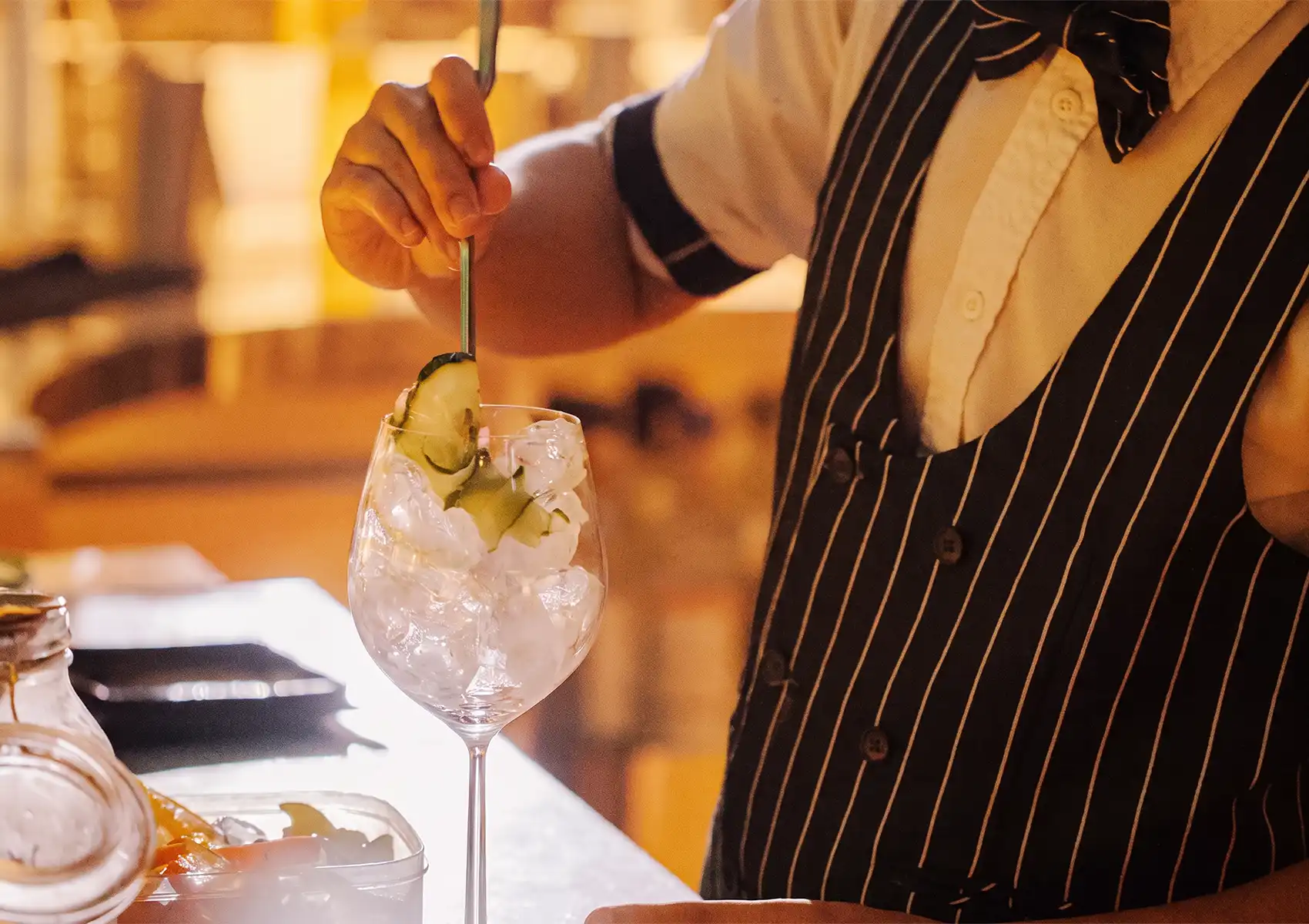
Shaking is about energy and aeration. Stirring is about control and clarity. The ingredients are gently stirred with ice in a mixing glass, which chills and dilutes the drink gradually before it is strained into the serving glass.
Because stirring introduces very little air, the finished cocktail remains clear and has a smooth, silky texture. This makes the technique particularly suitable for spirit-forward drinks, where the character of the base spirits needs to remain at the centre of the experience.
Classic cocktails such as the Martini, Manhattan and Negroni are traditionally stirred. The technique allows the ingredients to become properly chilled and diluted while maintaining the drink’s clarity and a polished mouthfeel.
A well-stirred cocktail should feel smooth and integrated rather than heavy. The goal is not simply to combine the ingredients, but to bring them together at the right temperature and level of dilution.
The Rule of Thumb
With both methods understood, choosing between them usually comes down to the ingredients and the desired result.
Shake a cocktail when it contains ingredients such as citrus juice, fruit, egg white or cream, or when the drink benefits from aeration and vigorous mixing. Stir a cocktail when it is primarily composed of spirits, liqueurs and other ingredients that benefit from remaining clear and silky.
This is the logic behind the classic shaken vs stirred question, and it is why cocktails such as the Martini and Negroni are traditionally stirred rather than shaken. James Bond’s famous request for a Martini to be “shaken, not stirred” runs counter to the classic preparation. Shaking introduces more air and can create a different texture and appearance, while stirring preserves the drink’s clarity and silky mouthfeel.
There are, of course, exceptions. Modern bartenders may deliberately use a different technique to create a particular texture, temperature or level of aeration. The ingredients provide the starting point, but the intended character of the cocktail ultimately determines the method.
Shaken and Stirred Cocktails at Pinstripe Bar
Both techniques are on show across the Pinstripe menu, so the theory is easy to taste.
On the shaken side are drinks built around ingredients that benefit from vigorous mixing and aeration. The Dancer combines pisco, mezcal, Aperol, raspberry, yuzu and albumin, while the Harlem brings together Tanqueray No. TEN, Amaretto Disaronno, passion fruit, sesame cream, pandan, miso and albumin. The albumin in both cocktails benefits from shaking, helping create the soft, lifted texture associated with a well-aerated drink.
The Sweetheart takes another approach to a bright, layered cocktail, combining Veritas Rum and Aperol with strawberry, jasmine, tarragon and whey. Its fruit and botanical elements give it a very different character from the spirit-forward classics on the menu.
The stirred drinks take the opposite path. The Holy Negroni and the barrel-aged Solera Barrel Negroni, along with the Old Fashioned made with Bulleit Rye and Bourbon, are spirit-forward cocktails designed around controlled dilution and a smooth finish. The three cocktails in the Martini Flight offer another opportunity to experience the clarity and texture associated with stirring.
Tasting a shaken drink beside a stirred one is one of the quickest ways to understand how much the technique can influence a cocktail. The ingredients matter, but so does what happens to them behind the bar.
Taste Shaken and Stirred Cocktails at Pinstripe Bar
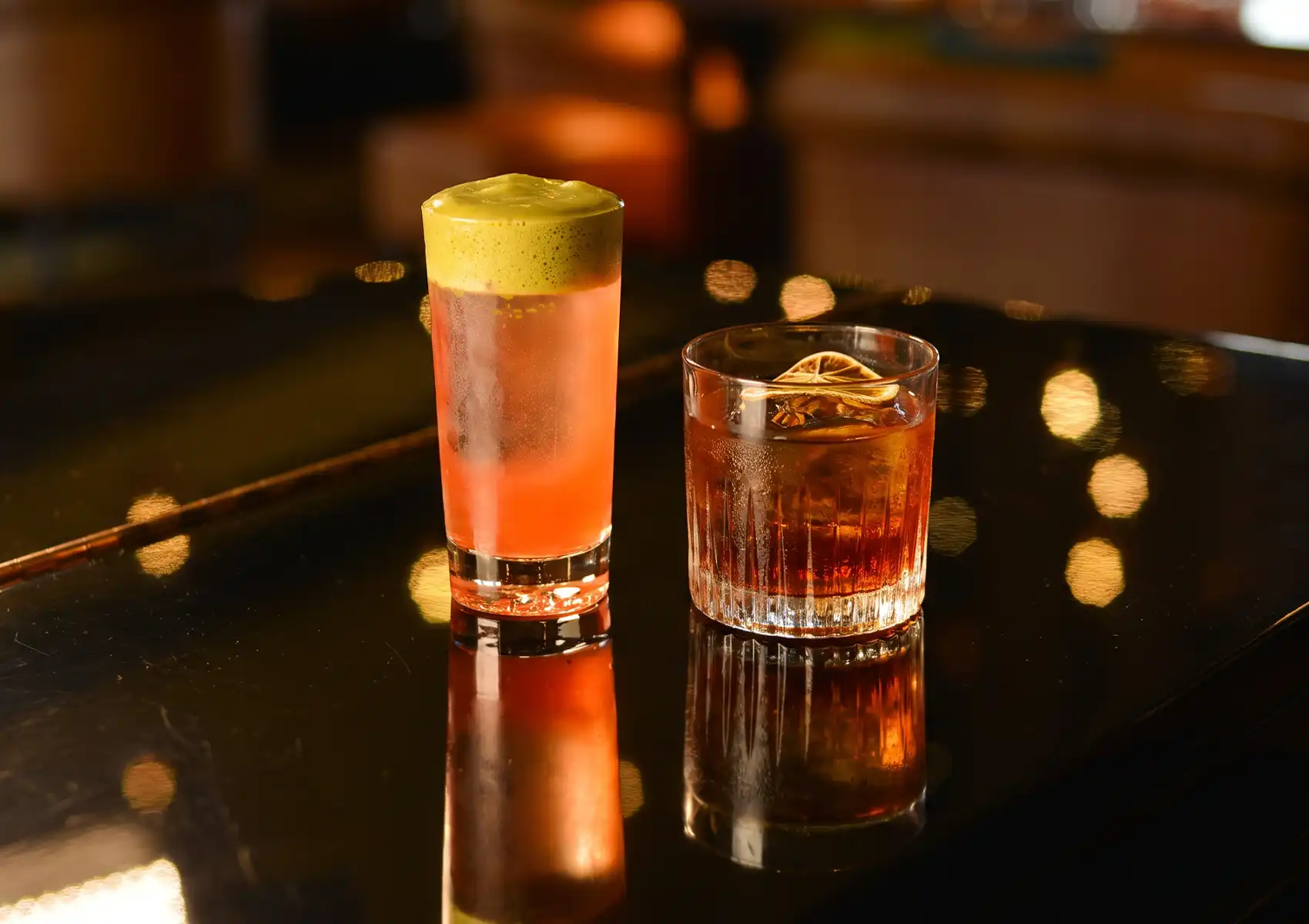
The best way to understand shaken and stirred cocktails is to order one of each and compare them.
Pinstripe Bar is a cocktail bar in Ubud where classic cocktail traditions meet contemporary techniques and carefully considered flavour combinations. Start with a bright, shaken cocktail such as the Harlem, then follow it with a stirred Negroni or Martini. Notice the differences in clarity, texture, aroma and finish.
The ingredients may be carefully chosen, but so is the technique. At Pinstripe Bar, knowing when to shake and when to stir is part of creating the drink that eventually arrives in your glass.
Reserve your table and let the bar team show you the difference.
Frequently Asked Questions
Why Are Some Cocktails Shaken and Others Stirred?
It usually comes down to the ingredients and the desired result. Cocktails containing citrus, fruit, egg white or cream are often shaken to mix, chill and aerate them. Spirit-forward drinks are commonly stirred to maintain clarity and create a smooth, silky texture. Modern cocktails can depart from these conventions when a different technique produces the desired result.
Is a Martini Shaken or Stirred?
Traditionally, a Martini is stirred. Because it is a spirit-forward cocktail, stirring chills and dilutes it while keeping the drink clear and silky. Shaking introduces more air and creates a different texture and appearance. James Bond’s famous preference for a shaken Martini is a popular variation rather than the classic preparation.
Does Shaking or Stirring Really Make a Difference?
Yes. The two techniques affect a cocktail’s temperature, dilution, texture and appearance. Shaking generally creates more aeration and can produce a lighter, more textured drink, while stirring creates a clear, smooth and silky result. The difference can be subtle in some cocktails and immediately noticeable in others.