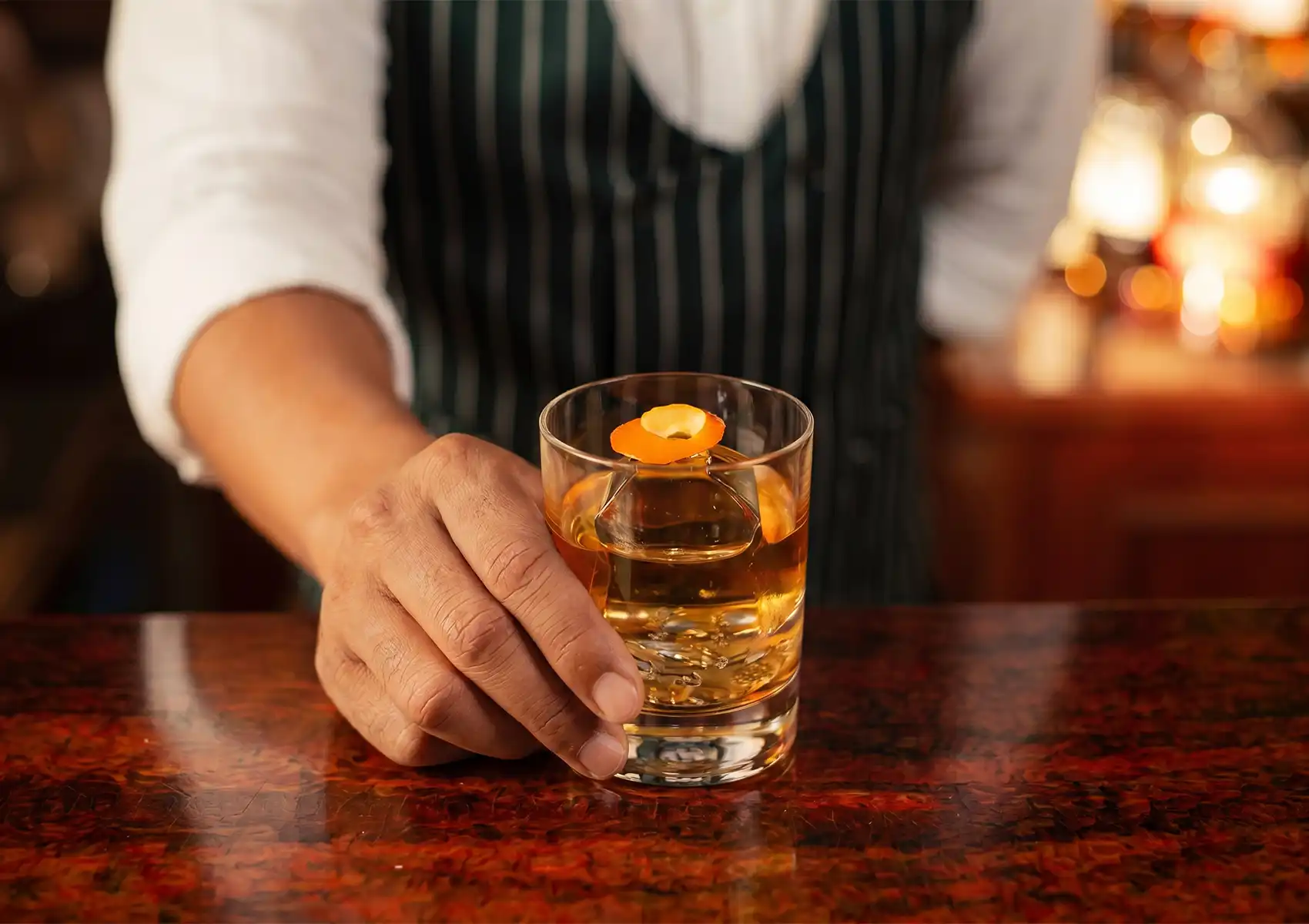
Cocktail bitters are small but important ingredients in a good drink, added a few drops at a time yet capable of completely changing a cocktail. At Pinstripe Bar, a cocktail bar in Ubud, they are treated as ingredients to build with rather than an afterthought. Many people have tasted bitters without realising it, as they sit behind some of the world’s most familiar cocktails. This guide explains what cocktail bitters are, the main types, why they matter, and how they are used at Pinstripe Bar.
What Are Cocktail Bitters?
Cocktail bitters are concentrated flavouring agents made by extracting flavour from botanicals such as roots, bark, herbs, spices and fruit, often using a high-proof spirit as the base. The result is intensely flavoured and, as the name suggests, bitter, which is why traditional cocktail bitters are generally used in very small amounts.
A dash or two can season a drink much as salt seasons food. Rather than providing the main flavour, bitters add depth, aroma and complexity, helping bring the other ingredients into better focus. Because each botanical recipe is different, one blend might lean towards warm baking spices, while another may be bright with citrus or layered with bittersweet herbs.
The Main Types of Bitters
There is no single official classification for cocktail bitters, but a few broad families make the category easier to understand.
Aromatic bitters are the classic, all-purpose style, built around warm spices and herbs. They are commonly used in cocktails such as the Old Fashioned and Manhattan, where a few dashes can add depth and a gently spiced aroma.
Citrus bitters, often made with orange or other citrus botanicals, bring a brighter, zestier character. They can work particularly well with gin, vodka and other lighter spirits, where their freshness can complement rather than overpower the base.
Beyond these are specialty and flavoured bitters, including chocolate, coffee, floral, herbal and spiced varieties. Each can be used to introduce a particular flavour note or shift the balance of a cocktail.
These categories are broad rather than fixed. Bartenders and bitters makers continue to experiment with new botanical combinations, so the range of flavours is constantly expanding. Understanding these main styles is enough to make sense of most cocktail recipes and to appreciate why different bitters are chosen for different drinks.
Why Bitters Matter in a Cocktail
Understanding the different types is one thing, but the more interesting question is what those few drops actually do.
Bitters are often called the salt of cocktails, and the comparison is apt. They do not dominate a drink so much as sharpen and balance it, pulling sweet, sour and strong elements into focus.
Bitters also contribute to aroma, so their effect begins before the first sip. As you bring a cocktail towards your nose, the botanical notes can add another layer to the drinking experience. Depending on the blend, you might notice spice, citrus peel, herbs, roots or even cocoa.
The quantity is small, but the effect can be significant. A carefully chosen bitters blend can give a cocktail more depth, structure and a longer, more interesting finish.
Bitters versus Amaro
Bitters are often confused with amaro because both rely on bitter botanicals, but they serve different purposes.
Both are made by infusing spirit with bitter botanicals, but the similarity ends there.
Traditional cocktail bitters are highly concentrated and used in small dashes to season a drink. Amaro, meanwhile, is a category of Italian bitter liqueurs designed to be consumed in larger measures. Amari typically balance bitterness with sweetness and a range of herbal, citrus or spice notes.
This distinction is easy to see at the bar. A few dashes of aromatic bitters can complete an Old Fashioned, while an amaro can be poured over ice, served neat, or used as a measured ingredient in a cocktail.
Campari and Aperol are commonly enjoyed as aperitivi before a meal, while amari such as Fernet-Branca and Averna are often served as digestivi after a meal. The categories can overlap in use, but the important distinction is simple: traditional cocktail bitters are used to season a drink, while amaro is itself a drinkable liqueur.
Cocktail Bitters at Pinstripe Bar
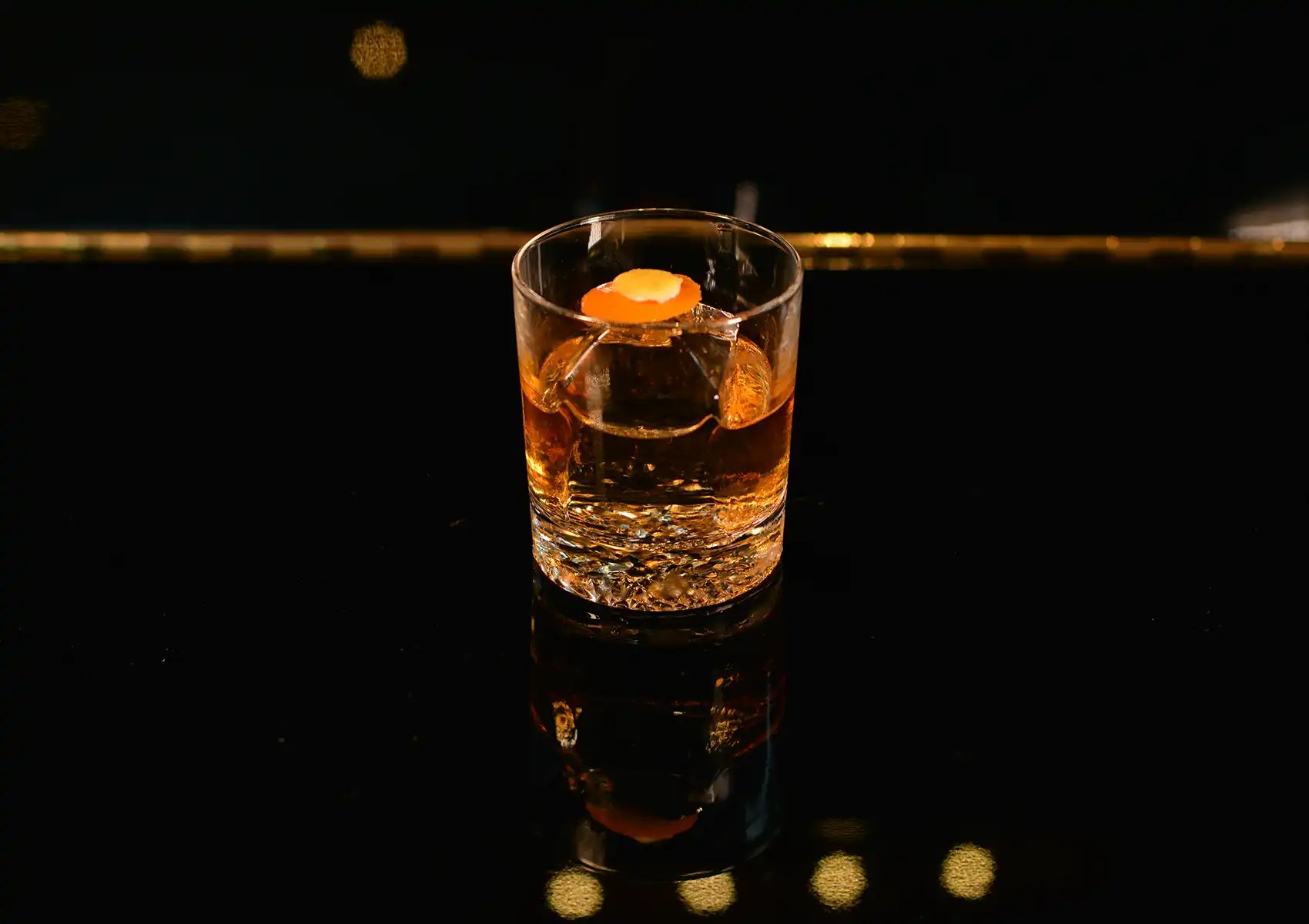
At Pinstripe Bar, bitters are treated with the same care as any other part of the cocktail-making process. The bar’s house-blend bitters feature in the Old Fashioned, made with Bulleit Rye and Bourbon, Mesoyi, house-blend bitters and beeswax. Here, the bitters provide the warm, spiced character associated with the classic aromatic bitters style while helping to bring the richer ingredients together.
Cacao bitters also appear in two of the bar’s signatures. The coffee-forward 24K Carajillo combines Ciroc, Nusantara cold brew, Thai tea, espresso and cacao bitters. The Bluvadier takes Johnnie Walker Blue Label, Campari, Nusantara cold brew, Dolin Dry and vanilla, with cacao bitters adding another layer to the drink.
This is where bitters become more than a supporting ingredient. Different botanical blends can shift the character of a cocktail without changing its entire structure. A classic aromatic blend can reinforce the warmth of whiskey, while cacao bitters can add a darker, more rounded note to a coffee-forward or spirit-led drink.
That approach fits the broader style of Pinstripe Bar, where classic cocktails and original signatures are built around considered flavour combinations.
Reserve Your Table at Pinstripe Bar
The best way to understand what cocktail bitters do is to taste them in a well-made drink.
Pinstripe Bar is a cocktail bar in Ubud where house-blend and flavoured bitters form part of a menu designed around layered flavours and thoughtful combinations. An Old Fashioned offers a classic introduction to aromatic bitters, while cocktails featuring cacao bitters show how the ingredient can take on a darker and more distinctive role.
Order an Old Fashioned to experience bitters in one of their classic settings, then ask the bar team how different bitters are used across the menu. A few drops may seem insignificant, but they can change the aroma, balance and finish of the drink in your glass.
Reserve a table at Pinstripe Bar and explore the bitters behind the cocktails.
Frequently Asked Questions
What Are Cocktail Bitters Made From?
Cocktail bitters are made by extracting flavour from botanicals such as roots, bark, herbs, spices and citrus peel. Traditional bitters often use a high-proof spirit as the base. The exact combination varies by maker and determines the final character, from warm and spiced to bright, citrusy or herbal.
Do Cocktail Bitters Contain Alcohol?
Traditional cocktail bitters are usually made with alcohol. Because they are used in very small quantities, the amount of alcohol they contribute to a finished cocktail is typically small. Non-alcoholic bitters are also available.
What Is the Difference Between Bitters and Amaro?
Bitters are concentrated and used in a dash at a time to season a cocktail; they are not meant to be drunk alone. Amaro is an Italian bitter liqueur, softer and sweeter, meant to be enjoyed in its own right, whether neat, over ice or in a cocktail. In short, bitters season a drink while amaro is a drink.