Arak Bali is one of Bali’s traditional spirits, with a long history in Balinese life. For anyone curious about the drinks and traditions that are part of Bali’s cultural heritage, arak is a good place to start.
This guide explains what Arak Bali is, how it is traditionally made, and its role in Balinese culture. It also looks at Karusotju, a contemporary local spirit inspired by Indonesian arak and Japanese shochu, available at Pinstripe Bar in Ubud.
What Is Arak Bali?
Arak Bali is a traditional distilled spirit from Bali. It is generally clear and strong, although its character and strength vary depending on the producer, ingredients and method.
Depending on the region and producer, Arak Bali may be made from fermented coconut or palm sap, or from rice. Palm-based arak can have a more rustic character, while rice-based versions can be cleaner and lighter. The differences reflect the ingredients and traditions of the communities that make them.
For generations, it has been a village craft, made in small batches using methods passed down through generations. In recent years, a wave of licensed, bottled brands has brought arak into bars and shops, giving the old spirit a polished new life.
How Arak Is Traditionally Made
The production of Arak Bali begins with fermentation, followed by distillation.
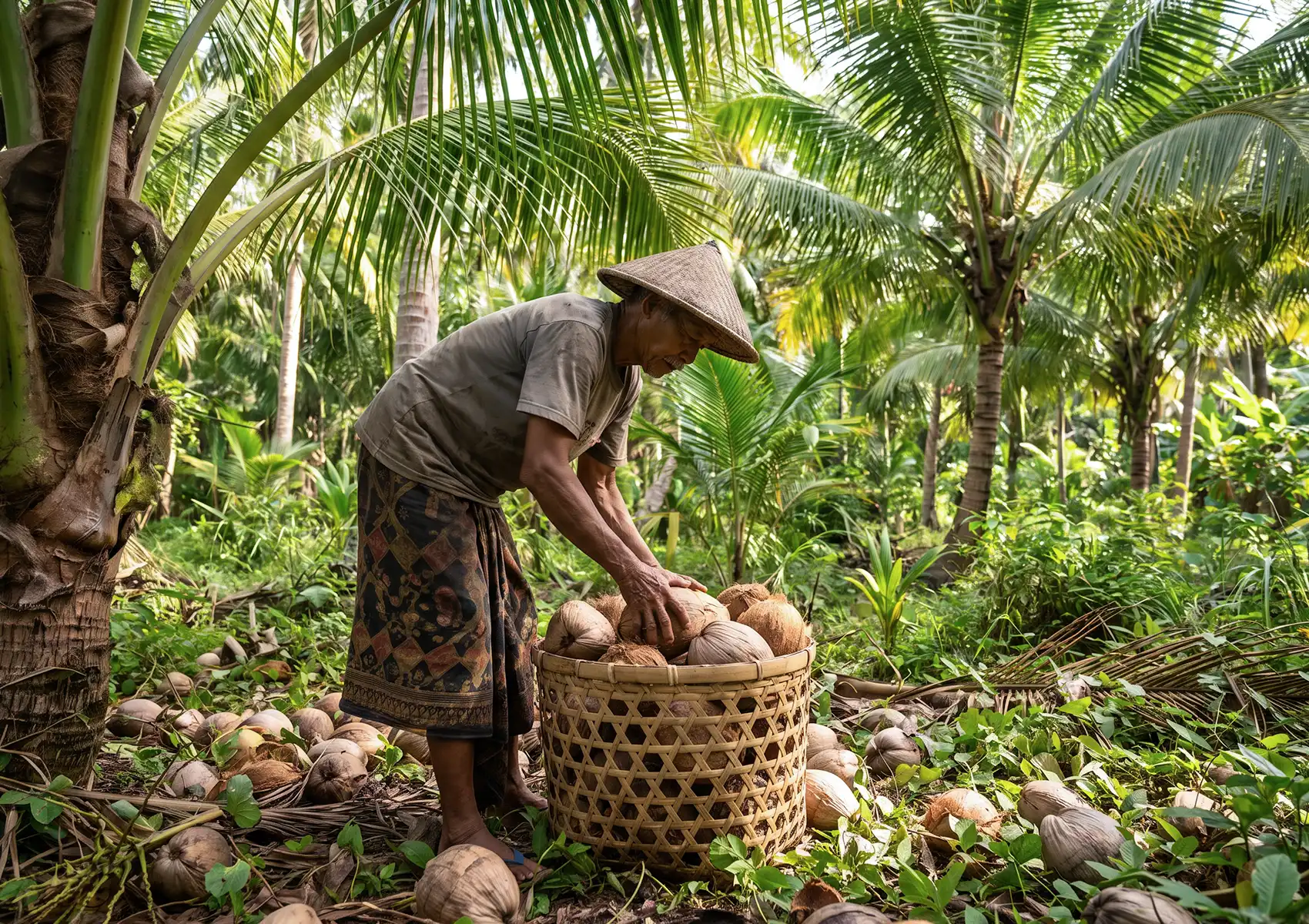
For palm-based arak, the process begins with collecting sap from coconut or other palms. The sweet liquid ferments naturally into an alcoholic drink known as tuak. It can then be distilled to concentrate the alcohol, producing arak.
Rice-based arak follows a different route, beginning with fermented rice before distillation.
Traditional production methods can vary from one community to another. In documented Balinese production, traditional stills may be heated over a wood fire, with the vapour collected and condensed into the finished spirit. Modern licensed producers use more controlled equipment and processes while retaining the basic principles of fermentation and distillation.
The result can differ considerably from one producer to another. That variation is part of what makes traditional arak interesting to explore.
Arak and Balinese Culture
Arak is more than a local alcoholic drink. It has a longstanding role in Balinese ritual and community life.
Arak can form part of offerings and ceremonial practices in Balinese Hindu traditions. It is also shared in social settings, including gatherings and celebrations. In this context, arak is connected not only to drinking but also to community, tradition and ritual.
That cultural role is important to understand when encountering Arak Bali for the first time. It is not simply another strong local spirit. It is part of a wider tradition maintained by communities across the island. See our guide about the full price for alcohol in Bali.
How Do You Drink Arak?
There is no single way to drink Arak Bali.
Traditional servings can be simple, with arak enjoyed in small measures. Another familiar preparation is arak madu, in which arak is combined with honey and lime to create a sweeter, more approachable drink.
Arak can also be used in cocktails. Its strength and distinctive character allow bartenders to add a distinctly Balinese element to a modern drink.
If you are trying arak for the first time, start with a small serving and pay attention to its aroma and character. For drinking, choose properly bottled arak from a licensed producer rather than an unknown homemade source.
Is Karusotju the Same as Arak Bali?
Not exactly.
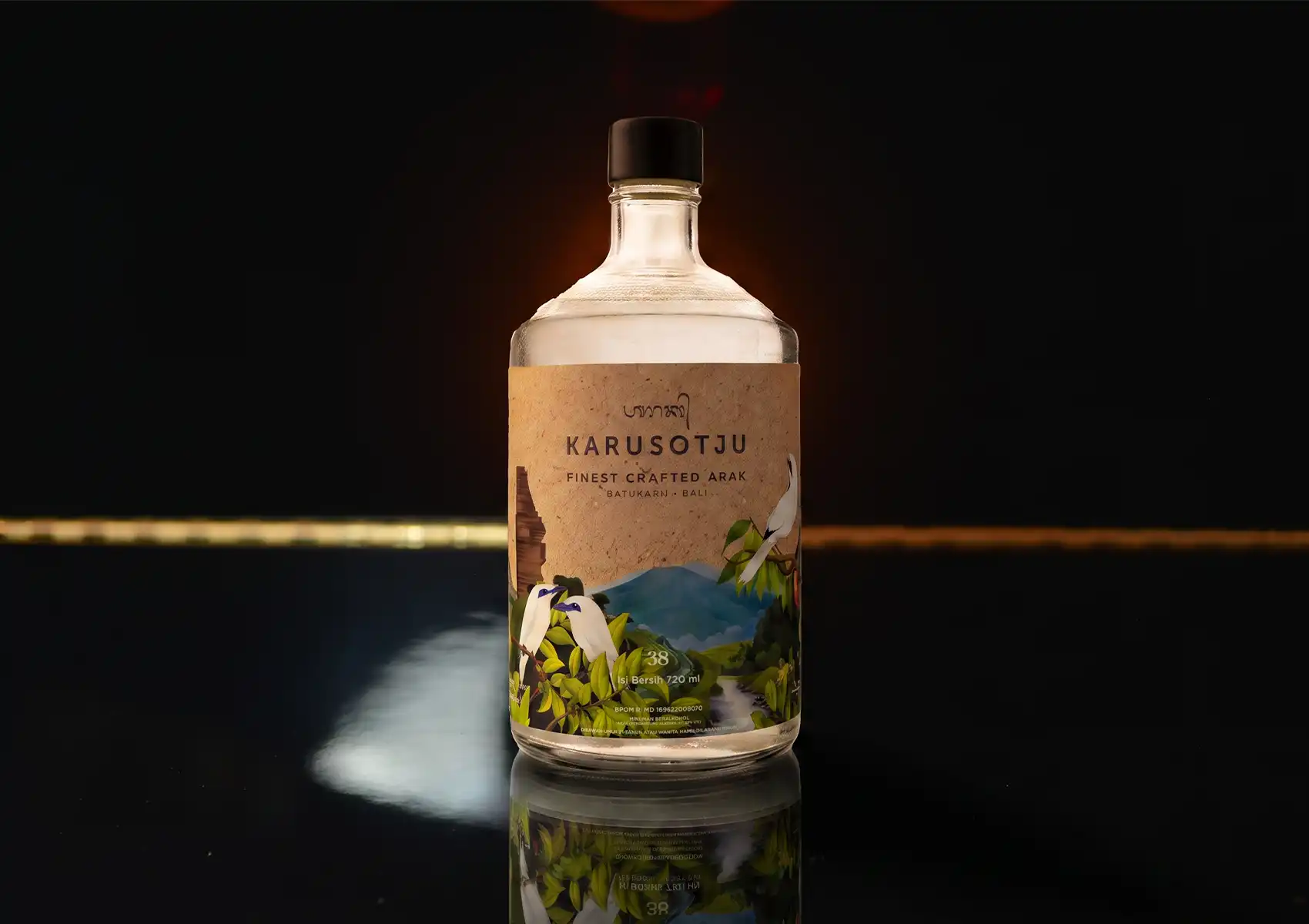
Karusotju is a contemporary Balinese spirit inspired by both Indonesian arak and Japanese shochu. It is produced in the Batukaru area of Tabanan using Cilembu honey, sweet potatoes, and water from the Batukaru region. The result is a spirit with its own identity rather than a traditional Arak Bali.
Karu describes its Karu 38 as having honey-caramel and floral notes, with a touch of pomelo astringency. It is bottled at 38% ABV and can be served chilled or enjoyed as a digestif. Karu 18 is a lighter 18% expression intended to be served chilled as an aperitif.
The connection to arak is therefore one of inspiration and local spirit-making rather than a simple continuation of the traditional recipe.
That distinction makes Karusotju interesting in its own right. It shows how a Balinese distillery can look to local traditions while drawing on another Asian spirit-making tradition to create something contemporary.
Karusotju at Pinstripe Bar
Pinstripe Bar, a cocktail bar in Ubud, has carried Karusotju as part of its local spirits selection. Its alcohol list has included Karusotju 38 and Karusotju Barrel Aged, both from Batukaru.
If you are interested in exploring Bali through its spirits, Karusotju offers a different starting point from traditional Arak Bali. Rather than tasting a rustic village arak, you are experiencing a contemporary spirit that draws inspiration from both Indonesian arak and Japanese shochu.
The bar team can also explain how the spirit differs from traditional arak and suggest a way to enjoy it based on your preferences.
From Traditional Arak to Modern Bali
Arak Bali offers a glimpse into an older side of the island’s drinking culture, from traditional production and ceremonial use to the communities that have kept the craft alive.
Karusotju represents a different part of that story. It takes inspiration from Indonesian arak and combines it with Japanese shochu traditions, local ingredients and modern distilling techniques.
Together, they show that Bali’s spirit culture is not frozen in the past. Traditional arak remains an important part of the island’s heritage, while contemporary producers are finding new ways to express a sense of place through distilled spirits.
Reserve Your Table at Pinstripe Bar
The best way to understand Bali’s spirit culture is to experience it in the glass.
At Pinstripe Bar, a cocktail bar in Ubud, you can explore a drinks list that combines classic cocktails with local spirits and ingredients. Ask the bar team about Karusotju, its connection to Indonesian arak and the different ways it can be enjoyed.
Reserve your table at Pinstripe Bar and make a local spirit part of your evening in Ubud.
Frequently Asked Questions
Is Karusotju the Same as Arak Bali?
No. Traditional Arak Bali can be made from fermented palm, coconut, or rice sap, depending on the producer and region. Karusotju is a contemporary Balinese spirit inspired by Indonesian arak and Japanese shochu. It is made from Cilembu honey, sweet potatoes, and Batukaru water.
What Is Arak Made From?
Traditional Arak Bali can be made from fermented coconut or palm sap or from rice. The ingredients and production methods vary by region and producer, which gives different styles of arak their own character.
How Do You Drink Arak?
Arak can be served in small portions or mixed with ingredients such as honey and lime to make arak madu. It can also be used in cocktails. If you are new to Arak Bali, ask the bar team for a recommendation and choose a properly bottled product from a licensed producer.