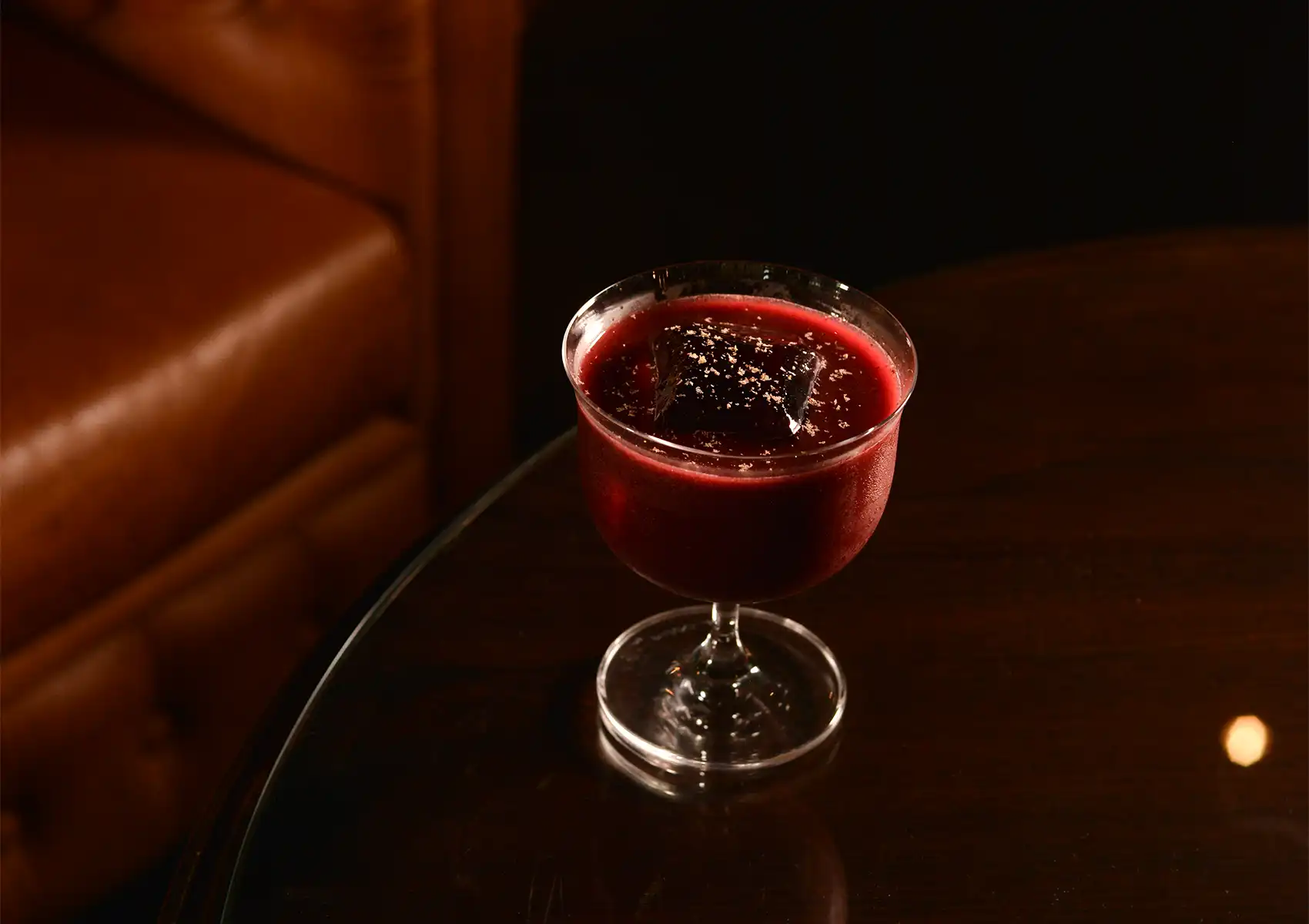
Whisky is the category people often find most intimidating, and it is also one of the easiest to understand once the basics are clear. At a cocktail bar in Ubud, it can be one of the deepest sections of the list, with bottles spanning different grains, countries, production methods and ageing styles. Once you know what changes the flavour, a wall of whisky starts to look less like a puzzle and more like a map.
What Is Whisky?
Whisky is made from fermented grain, distilled into a concentrated spirit and, in most major whisky-producing traditions, matured in wooden casks. The grain, distillation method and cask all leave their mark on the final flavour.
The grain sets the starting point. Barley can bring malty, cereal and nutty notes. Corn tends to contribute a softer, fuller character, while rye is often associated with pepper, spice and a drier finish. Wheat can produce a softer, gentler profile.
Distillation also shapes the spirit. Pot stills, which operate in batches, can retain more of the character of the fermented wash, while column stills allow for continuous distillation and can produce a lighter, cleaner spirit. The exact equipment and production method vary between whisky traditions.
Casks do much of the remaining work. Maturation can add vanilla, caramel, coconut, spice, dried fruit and tannin, depending on the type of wood and the cask’s previous contents. A whisky matured in a former sherry cask can develop dried-fruit and nutty notes, while bourbon-cask maturation often contributes vanilla, caramel and coconut.
Even the spelling gives you a clue. Whisky is commonly used in Scotland, Japan and Canada, while whiskey is generally used in Ireland and the United States. There are exceptions, but the spelling is a useful starting point.
The Main Types of Whisky
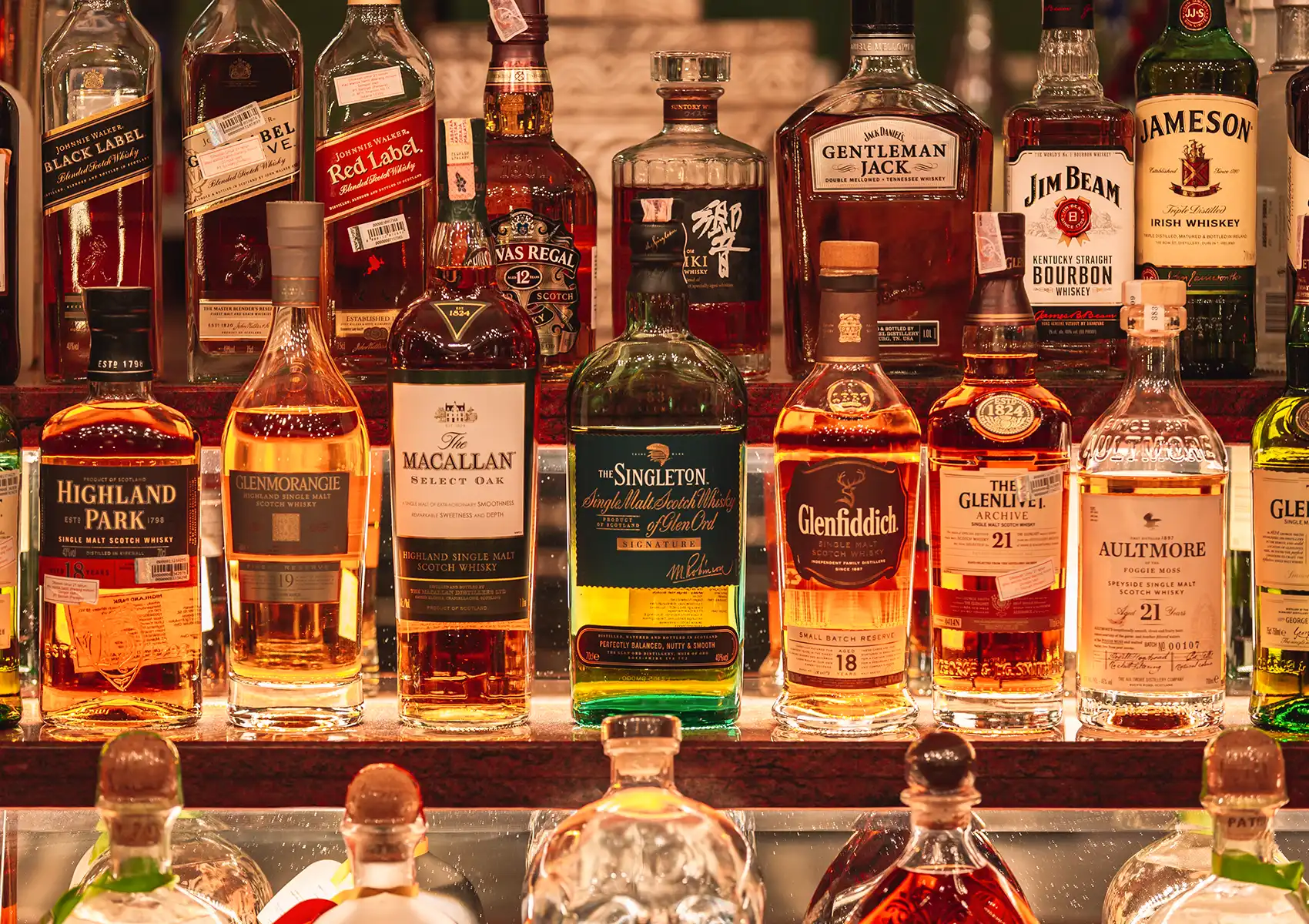
Once the basic production process is clear, the major national styles become easier to understand. Each has its own rules and traditions, while individual distilleries can still produce remarkably different spirits within the same category.
Scotch whisky is made in Scotland and must be matured for at least three years. Single malt Scotch is made from malted barley at one distillery, while other categories include blended malt, single grain and blended Scotch. Regional descriptions can be useful for orientation, although they do not guarantee a particular flavour. Speyside is often associated with fruit and honeyed notes, while the Highlands cover an especially broad range of styles. Islay is famous for heavily peated whiskies, although not every Islay whisky is heavily smoky. Lowland whiskies can be lighter and more delicate, but the region is far from uniform.
Bourbon is an American whiskey made from a mash bill containing at least 51% corn and matured in new, charred oak containers. Corn contributes a naturally rounded character, while the new oak can bring vanilla, caramel, coconut and baking-spice notes.
Rye whiskey is also strongly associated with American whiskey and must contain at least 51% rye in the United States. Rye tends to contribute pepper, spice and a drier, more assertive character than corn-heavy bourbon, which is one reason it works particularly well in classic cocktails.
Irish whiskey is made in Ireland and comes in several styles, including single malt, single pot still, grain and blended whiskey. Triple distillation is common in Irish whiskey production, but it is not a universal requirement. The category can range from light and approachable to rich and full-bodied.
Japanese whisky developed with strong inspiration from the Scottish whisky tradition, particularly in its use of malted barley, pot stills and oak maturation. Japanese producers now create a range of styles, from delicate and floral to rich and smoky, with an emphasis often placed on balance and precision.
World whisky covers an increasingly broad group of producers outside the traditional whisky-producing regions. Countries including Taiwan, India and Australia have developed distinctive whisky industries, with local grains, casks and climates influencing the finished spirit.
How Region Shapes Flavour
Geography matters, but it is not the only factor determining how a whisky tastes. Production choices, ingredients, casks and climate all contribute.
Peat is one of the clearest examples. When malted barley is dried using peat smoke, the smoke can leave compounds that contribute earthy, smoky and sometimes medicinal flavours to the finished whisky. Islay is particularly associated with heavily peated whisky, while many Speyside whiskies are better known for fruit, honey and spice.
Cask selection is another major influence. Sherry-seasoned or sherry casks can contribute dried fruit, nuts and spice, while former bourbon casks commonly bring vanilla, caramel and coconut. Some whiskies use multiple cask types during maturation to build additional layers of flavour.
Climate also affects maturation. Warmer climates can accelerate the interaction between spirit and wood, while cooler climates tend to produce slower maturation. This means age statements should be read as information about time in cask, not as a simple ranking of quality. A well-made younger whisky can be more interesting to you than an older one.
Whisky in Cocktails
All of this matters at the bar because the whisky you choose can significantly change the character of a cocktail.
The Old Fashioned is a useful starting point. Traditionally made with whisky, sugar and bitters, it lets the character of the base spirit remain prominent. Rye can make the drink drier and spicier, while bourbon can give it a rounder, richer character.
The Whisky Sour brings citrus and dilution into the equation. Shaking the whisky with citrus and sweetener creates a brighter, more refreshing drink, making it an approachable introduction for anyone who finds neat whisky too intense.
The Boulevardier swaps gin for whisky in the Negroni structure, bringing whisky’s grain, oak and spice into a combination of bitter and sweet vermouth and Campari. It is richer and more spirit-forward than many whisky cocktails.
The Manhattan is another classic stirred whisky cocktail, combining whisky with sweet vermouth and bitters. Rye is a traditional choice, although bourbon can produce a softer, rounder version.
Peated whisky needs a little more consideration in cocktails. A smoky whisky can add remarkable depth when used carefully, but a heavily peated expression can quickly dominate more delicate ingredients.
Whisky at Pinstripe Bar
The whisky selection at Pinstripe Bar spans several regions and styles, creating room to compare different approaches rather than staying within one category.
In the cocktails, the Old Fashioned is built with Bulleit Rye and Bourbon, bringing both spice and roundness into the same glass. It is a useful reference point for understanding how different whisky styles can influence a classic cocktail.
The Composer uses Bulleit Bourbon, giving the drink a rounder and richer whisky base. Bluvadier takes the Boulevardier template in a more luxurious direction with Johnnie Walker Blue Label, making it a more spirit-forward choice.
The Bumblebee takes whisky in a fruit-led direction, combining Singleton 12 with Pedro Ximénez sherry, blueberry and kalamansi. The Speyside whisky and PX sherry bring complementary dried-fruit and rich notes, while kalamansi adds acidity to keep the drink balanced.
If you would rather taste whisky on its own, ask the bar team to compare two contrasting styles. A Speyside and an Islay, for example, can demonstrate the difference between a fruit-forward profile and the earthy, smoky character associated with peat.
Reserve Your Table at Pinstripe Bar
Whisky is a category that rewards comparison, especially when you have a bar team who can explain what is in the glass and why it tastes the way it does.
At Pinstripe Bar, you can explore whisky through classic cocktails such as the Old Fashioned and Boulevardier, or ask the bar team to guide you through different bottles from the selection.
Tell them whether you prefer something smoky, sweet, spicy or light, and let them suggest a starting point.
Reserve your table and explore the whisky selection at Pinstripe Bar.
Frequently Asked Questions
What is the difference between Scotch and bourbon?
Scotch whisky is made in Scotland and must be matured for at least three years. Bourbon is an American whiskey made from a mash bill containing at least 51% corn and matured in new, charred oak containers. These different production requirements contribute to distinct flavour profiles, although individual whiskies can vary considerably.
What is a peated whisky?
Peated whisky is made using malted barley that has been dried with peat smoke. The process can give the finished whisky smoky, earthy or medicinal notes. Islay is particularly famous for peated Scotch, although peated whisky is produced in many other regions too.
What is a good whisky cocktail for a beginner?
A Whisky Sour is a good starting point because citrus and dilution make the whisky feel lighter and more refreshing than a neat pour. If you prefer something spirit-forward, an Old Fashioned is a simple way to experience the character of the whisky itself.