There is a quiet thrill in opening a bottle that carries a single year on its label, and at Pinstripe Bar, the finest cocktail bar in Ubud, that thrill is part of the everyday. The bar pairs a thoughtful list of premium vintage wines in Ubud with the calm of an evening above the rice fields, giving you the chance to taste how a particular harvest, season, and place come together in the glass. For anyone curious about what makes a vintage worth seeking out, and for those who simply want a fine glass at the end of the day, the wine list here is a good place to start.
Before choosing a bottle, it helps to understand what the word vintage actually means and why it carries so much weight among wine drinkers.
What Makes a Wine Vintage?
The term is used often and understood less often, so it is worth setting out clearly.
In simple terms, a vintage wine is one made from grapes harvested in a single, stated year. That year appears on the label and tells you exactly when the fruit was picked. It is not a mark of age or rarity on its own, but a record of origin in time.
Understanding Vintage and Harvest Years
The vintage year refers to the year the grapes were grown and harvested, not the year the wine was bottled or released. A single growing season shapes the fruit through its weather, rainfall, and sunshine, and the wine carries that signature forward. Two bottles from the same vineyard but different years can taste noticeably different because each season was different.
Vintage Wine Versus Non-Vintage Wine
A non-vintage wine, often marked NV, blends fruit from more than one year. This is common in sparkling wines such as many Champagnes, where blending across years creates a consistent house style. Neither approach is better than the other. A vintage expresses a single season, while a non-vintage aims for a steady, reliable character year after year.
Why Vintage Matters
Knowing what vintage means is one thing; understanding why drinkers care about it is another.
Vintage matters because the conditions of a single year leave a clear mark on the wine. A warm, dry season and a cool, wet one produce very different results from the same grapes and the same land, which is why certain years become sought after while others pass quietly.
How Vintage Influences Character and Quality
Weather drives ripeness, acidity, and sugar, and these in turn shape the finished wine. A strong year can give a wine more depth, balance, and ageing potential, while a difficult year may produce something lighter or made for earlier drinking. None of this is a fault. It is simply the honest record of a season.
When Vintage Becomes Important
Vintage carries the greatest weight for wines built to age, particularly fine reds and structured whites. For everyday drinking, the year matters less. For a special bottle meant to be kept or savoured, the vintage becomes part of the story and part of the value.
Premium Vintage Wines to Discover
The theory is best understood with a glass in hand, so here are some of the rare and collectable vintages worth knowing from the cellar.
Henschke The Hill of Grace 2014
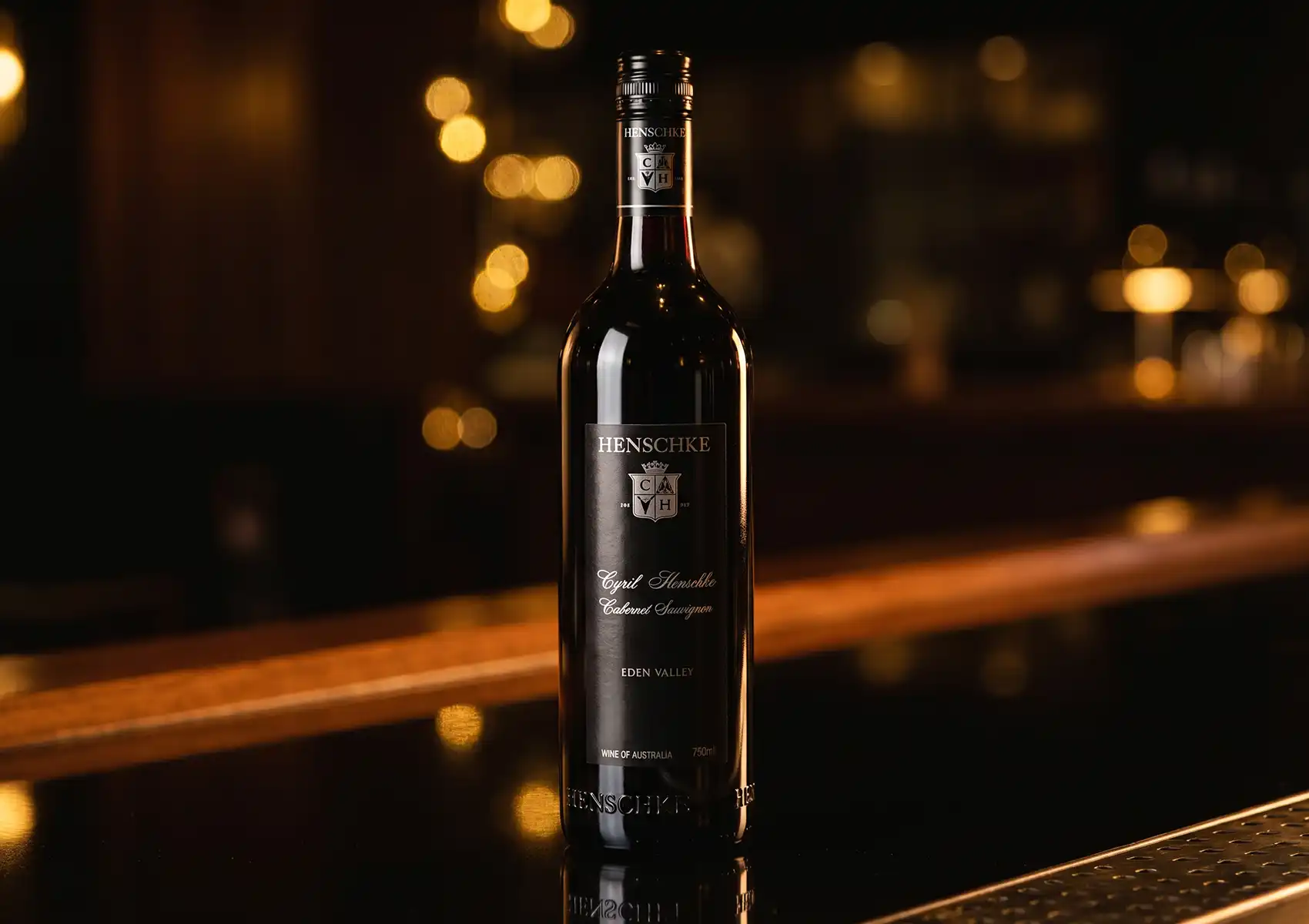
One of Australia’s most revered single-vineyard Shiraz wines, from old vines in the Eden Valley. 2014 is a benchmark vintage, deep and complex, and a clear example of how a celebrated site and a strong year together create a wine built to age for decades. Rp 17,950,000.
Torbreck The Laird 2008
A powerful Barossa Valley Shiraz from a single vineyard, full-bodied and richly concentrated. The 2008 vintage shows how a warm Australian season can produce a wine of remarkable depth and longevity. Rp 23,950,000.
Château d’Yquem 2006
A legendary sweet wine from Sauternes, made from Sémillon and Sauvignon Blanc. Few wines age as gracefully, which makes the 2006 a perfect example of a vintage built to last, rich, honeyed, and remarkably long-lived. Rp 25,810,000.
Château Margaux 1999
A First Growth from the Margaux appellation of Bordeaux, elegant and perfumed in style. The 1999 vintage offers the balance and finesse the estate is known for, now with the added grace of bottle age. Rp 30,000,000.
Château Margaux 1996
The same celebrated estate in an even more sought-after year. 1996 is widely regarded as one of the great Margaux vintages, structured and long-lived, and a fine illustration of why a strong year commands a premium. Rp 42,000,000.
Château Le Pin 2004
A rare and highly prized Merlot from Pomerol, made in tiny quantities and treasured by collectors the world over. The 2004 represents vintage at its most exclusive, where scarcity, estate, and year combine. Rp 110,150,000.
Enjoying Premium Vintage Wines at Pinstripe Bar Ubud
A good list is only half the experience; the setting and the guidance complete it.
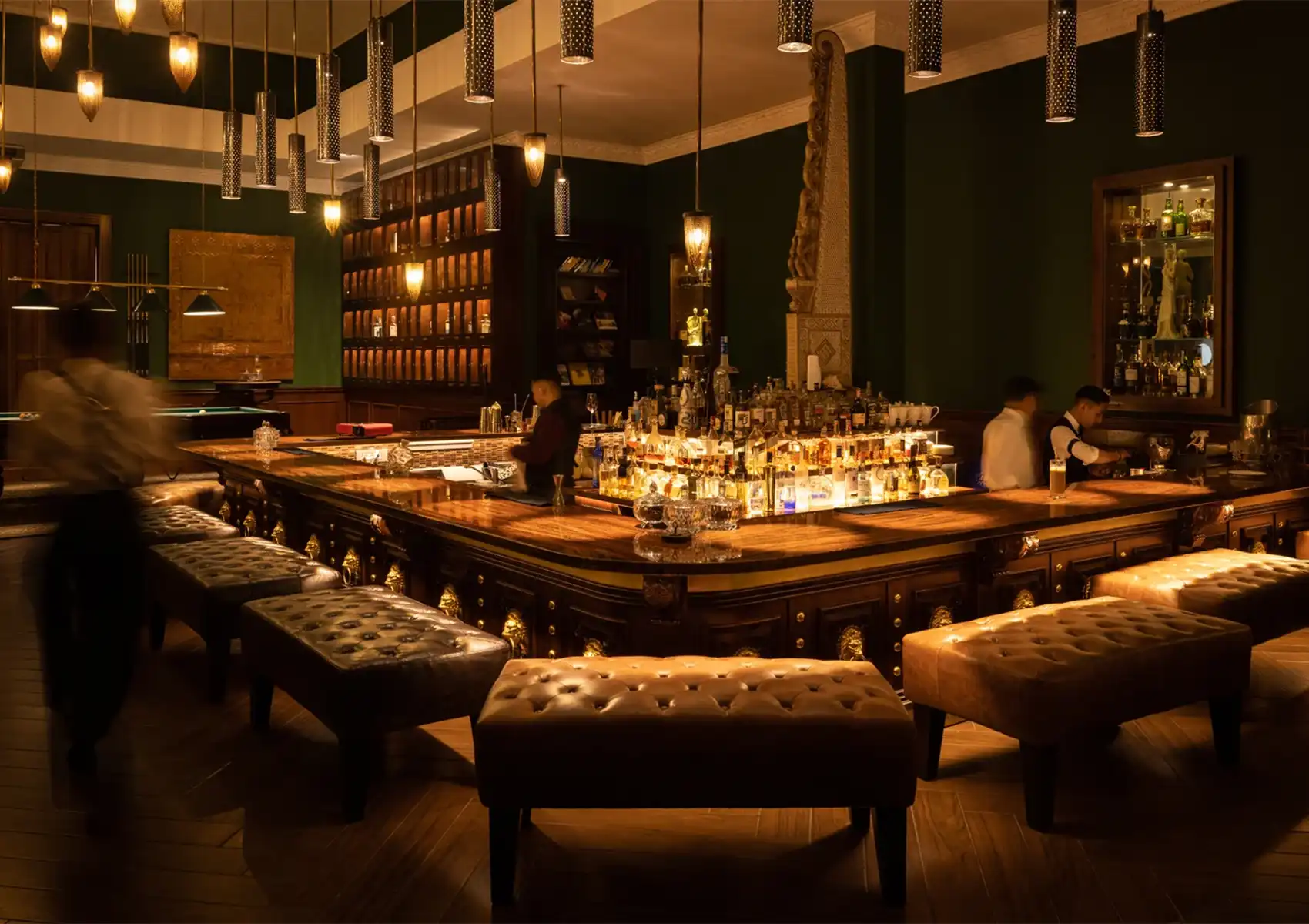
At Pinstripe Bar, the wine list sits within a calm, refined room above the rice fields, and the bar team is on hand to help you navigate it.
Exploring the Best Wine Selection in Bali
The aim here is the best wine selection Bali drinkers can return to, balanced across sparkling, white, rosé, and red, by the glass or the bottle. The range lets you taste widely without committing to a single style for the whole evening.
Finding Wines That Match Your Preferences
Whether you prefer something crisp and light or rich and structured, the bar team can point you towards a wine that suits your taste and the moment. There is no need to know the labels in advance.
Pairing Vintage Wines with the Occasion
A vintage red suits a slow dinner and grilled plates, while a glass of Champagne fits a celebration or a quiet toast. Matching the wine to the occasion is part of the pleasure.
If you are ready to explore premium vintage wines in Ubud for yourself, Pinstripe Bar is the finest cocktail bar in Ubud to do it, open daily from 4 pm to 11.30 pm, with the food menu served from 5 pm to 9 pm. Book a table and let the bar team guide you through the list.
Frequently Asked Questions
A few common questions come up often, so here are clear answers.
What Is the Difference Between Vintage and Regular Wine?
A vintage wine is made from grapes harvested in a single stated year, shown on the label. A non-vintage wine blends fruit from several years to keep a consistent style. The difference is about whether the wine expresses one season or a steady house character.
What Is the Vintage Age of Wine?
The vintage age is the number of years that have passed since the harvest year on the label. A wine from a 2015 vintage is ten years old in 2025. It reflects time since picking, not time since bottling.
Why Are Some Vintage Wines More Expensive?
Strong years, limited production, long ageing, and high demand all push prices up. A wine from a celebrated vintage that has been cellared for years often costs more because both the season and the patience behind it add value.
How Should Vintage Wines Be Enjoyed?
Serve at the right temperature, give structured reds time to open, and pair the wine with food or the occasion. Above all, take your time, as a good vintage rewards an unhurried glass.