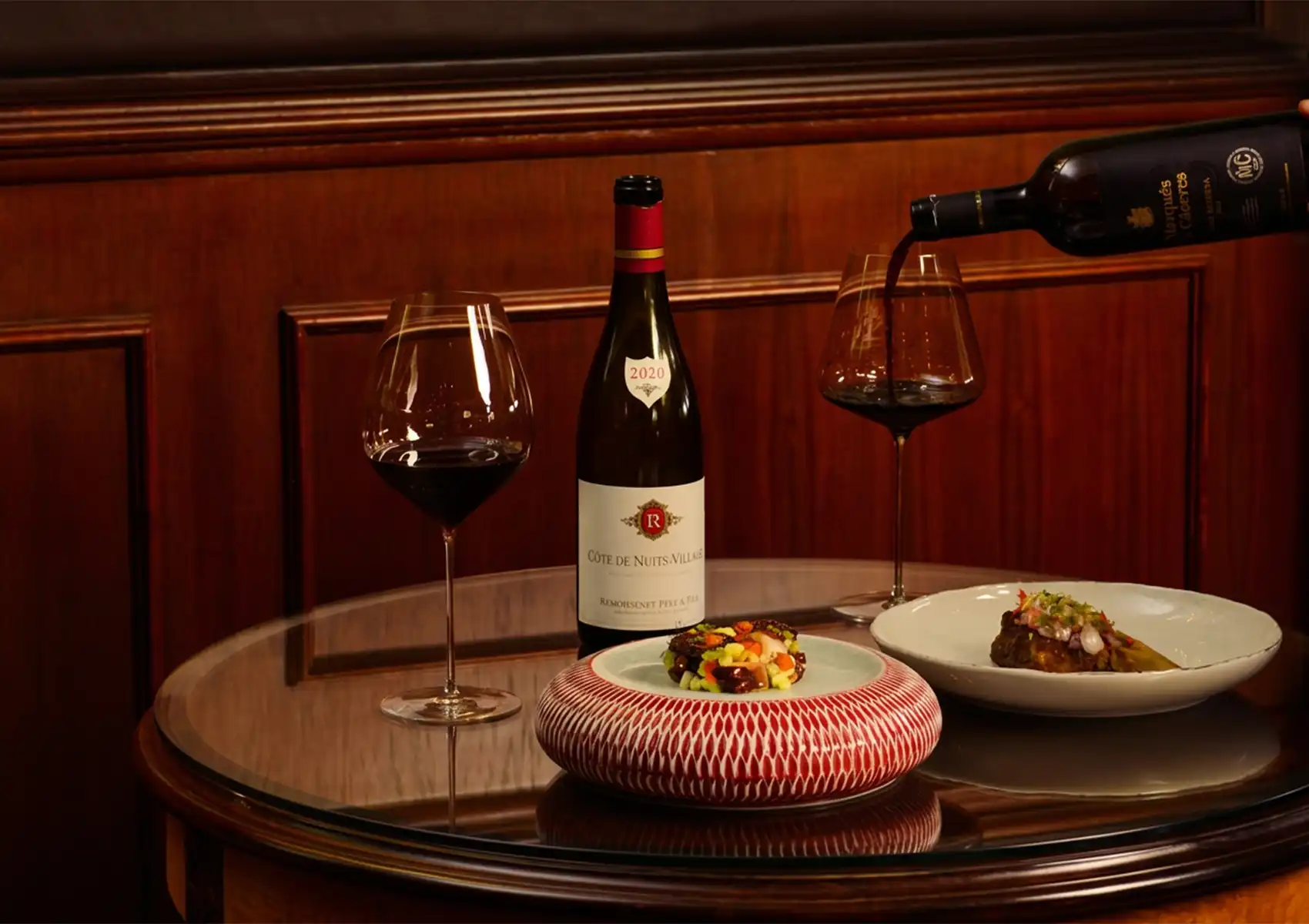
The only dedicated speakeasy concept bar in Ubud understands that wine temperature is not a minor detail. It is the difference between a glass that opens beautifully and one that never quite delivers on its promise. Served too warm, a wine loses its crispness and structure. Served too cold, its aromas close up and the flavour flattens entirely. Getting the temperature right is the quietest form of respect a bar can show its wine list.
The Science Behind Perfect Wine Temperatures
Wine is a living thing in the glass. Its aromas, acidity, tannins, and finish all respond to temperature in measurable ways. Understanding why the temperature of wine serving is important comes down to one principle: heat and cold change the chemistry of what is in the glass. Warm temperatures accelerate the release of alcohol, which pushes forward at the expense of fruit and complexity. Cool temperatures slow the release of volatile compounds, allowing subtler notes to emerge in sequence rather than all at once.
The ideal wine serving temperature is the point at which all elements of the wine are in balance. Acidity feels bright without being sharp. Tannins feel smooth without being invisible. Fruit sits in proportion with structure. That balance does not happen by accident. It requires attention before the bottle ever reaches the table.
The Danger of Serving Wine Too Warm in a Tropical Climate
Ubud’s ambient temperature ranges from 26°C to 30°C for much of the year. Without proper storage and handling, a bottle of red wine served at room temperature here is effectively served 8 to 12 degrees above its ideal range. The result is a wine that feels heavy, alcoholic and short on nuance.
White wines fare no better. A Chardonnay pulled from a poorly calibrated fridge arrives in the glass already warming, its citrus and mineral notes fading before the first sip. Sparkling wines lose their effervescence faster at higher temperatures, and the delicate bead that defines a fine Champagne flattens within minutes.
Tropical heat is unforgiving to wine. In this climate, wine temperature management is not a luxury. It is a baseline requirement for serving wine with any integrity.
Finding The Sweet Spot for Reds, Whites, and Champagne
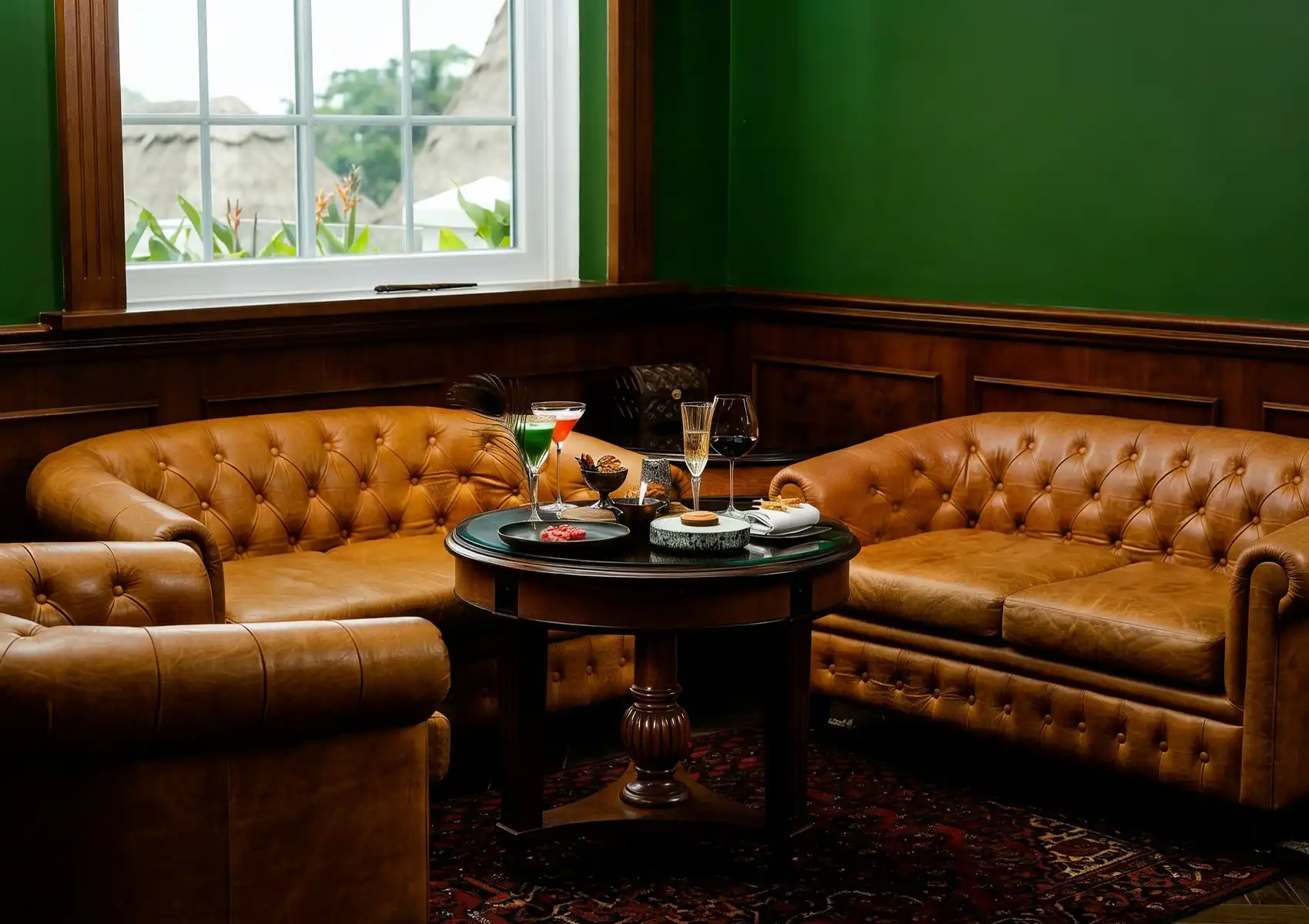
No single temperature suits every style. The right serving temperature varies by grape variety, winemaking technique and body weight. Understanding these differences is what separates a considered wine programme from a guesswork one.
Chilling White Wine and Champagne for Maximum Crispness
Sparkling wines and Champagne are served at their finest between 5°C and 9°C. At this range, the bead is tight and persistent, acidity is lively, and the wine feels clean and precise on the palate. Cooler than this, and the aromas are suppressed entirely. Warmer than this, and the effervescence becomes coarse.
Light white wines such as the Grifo del Quartaro Gavi di Gavi on the Pinstripe list sit comfortably at 8°C. A fuller white, such as Louis Latour Chablis, benefits from a degree or two warmer, around 9°C to 10°C, which allows its restrained mineral character room to develop in the glass.
Why Red Wine Needs a Cooler Touch in Bali
The old convention of serving red wine at room temperature was written for European cellars, where ambient temperatures range from 16°C to 18°C. In Bali, room temperature is a different animal entirely.
A lighter red, such as Pascal Jolivet Attitude Pinot Noir, is best enjoyed at 16°C. At this temperature, its delicate red fruit and silky texture are preserved. A bolder red, such as The Chocolate Block, a Syrah-led blend, handles temperatures up to 18°C before its tannins become grippy and its alcohol starts to dominate. Chilling a red wine slightly before service in a tropical environment is not unusual. It is simply good practice.
Rosés and Dessert Wines by Style
Rosé wines sit between white and light red in terms of ideal serving temperature. The Château d’Astros Minuit Rosé on the Pinstripe list is at its finest around 12°C, which preserves its dry, bright and dry character without stripping the wine of warmth. Sweeter styles such as sparkling Moscato-based wines, like Cocchi Asti, benefit from a cooler 5°C, which keeps the sweetness from feeling cloying and the effervescence light.
A Simple Wine Temperature Guide
Knowing what temperature wine should be served at takes the guesswork out of the evening entirely. The table below reflects the correct serving range for every wine on the Pinstripe list, from the coolest sparkling to the warmest bold red.
| Wine | Style | °F | °C |
| Cocchi Asti | Sparkling / Asti | 41°F | 5°C |
| Taittinger Brut Reserve | Sparkling / Champagne | 45°F | 7°C |
| Cocchi Brut Piemonte | Sparkling | 45°F | 7°C |
| Grifo del Quartaro Gavi di Gavi | White / Cortese | 47°F | 8°C |
| Louis Latour Chablis | White / Chardonnay | 48°F | 9°C |
| Château d’Astros Minuit Rosé | Rosé | 54°F | 12°C |
| Duca di Saragno Chianti Riserva | Medium Red / Chianti | 59°F | 15°C |
| Pascal Jolivet Attitude | Light Red / Pinot Noir | 61°F | 16°C |
| The Chocolate Block | Bold Red / Syrah-led blend | 64°F | 18°C |
Elevating Your Wine Experience in Ubud
Ubud is not a place for rushing. The finest cocktail bar in Ubud understands that an evening here is built on unhurried pleasure, and that a glass of wine served at the right temperature is part of what makes that possible.Whether you are beginning with a glass of Taittinger as the light changes over the rice fields, or closing the evening with a Chianti alongside something from the kitchen, the temperature of the wine in the glass makes the difference between a drink and a moment worth remembering. Reserve your table at Pinstripe Bar and let each glass speak at its finest.